

More than two-thirds of UK homeowners have postponed home improvements because of affordability pressures, despite a majority preferring to renovate rather than move, according to research from Evolution Money.
The lender’s UK Home Improvements Report 2026, based on a survey of 2,000 homeowners, found that 61% would rather improve their existing property than relocate over the next five years.
However, 67% reported delaying renovation work because they could not afford it, while 39% had postponed multiple projects.
The findings highlight a mismatch between homeowners’ renovation ambitions and their available savings, with 75% of respondents having less than £10,000 set aside despite the most commonly estimated budget for a dream renovation being between £20,000 and £40,000.
SAVINGS FALL SHORT OF RENOVATION COSTS
Although half of respondents said they would use savings to finance a major renovation, only 34% had established a dedicated home improvement fund.
The research also found that 28% would consider undertaking complex renovation work themselves rather than employing a professional to reduce costs.
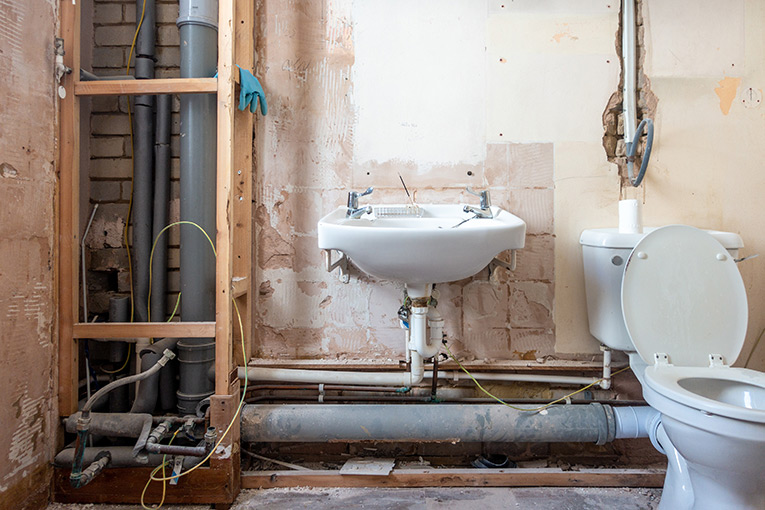
Bathroom renovations were the most frequently postponed projects, cited by 36% of respondents, followed by kitchens at 33% and replacement windows and doors at 30%.

Evolution Money’s analysis of tradesperson platform data put the average cost of a bathroom renovation at £5,725, compared with £10,750 for a kitchen and £8,925 for windows and doors.
Roof renovations, with an estimated average cost of £10,197, had been delayed by 24% of homeowners, while 22% had postponed heating upgrades, which cost an average of £5,050.
Kerri Pender, managing director at Evolution Money, said: “If you’re planning a renovation, it’s best to build a dedicated fund before work begins.
“While the amount you’ll need will depend on the scale of the project, having enough to comfortably cover your expected costs – and thinking about setting aside a contingency for unexpected expenses – could make a huge difference.
“Renovations, particularly in older properties, often uncover issues that simply aren’t visible until work is underway, so budgeting for the unexpected is just as important as budgeting for the project itself.”
HOME IMPROVEMENT BORROWING INCREASES
Evolution Money’s internal lending figures suggest that more homeowners are turning to borrowing to fund improvements, with the number of approved home improvement loans more than doubling since 2021.
The average approved loan for home improvements increased from £9,527 in 2016 to £21,005 in 2025, representing growth of 120.5% over the period.
Applications for loans between £20,000 and £29,999 increased by 13% year-on-year in 2025, making this the fastest-growing mainstream borrowing bracket in the lender’s data.
The increase in average loan sizes comes as homeowners face substantial costs for major renovation projects, potentially creating opportunities for lenders and intermediaries providing home improvement finance.
MOVING COSTS INFLUENCE DECISIONS
Among homeowners who preferred renovating to relocating, 61% cited satisfaction with their current property and neighbourhood as a reason to stay.
The financial and practical obstacles associated with moving were also significant. Some 42% regarded moving costs as too expensive, while the same proportion were deterred by the stress and disruption of relocating.
A further 41% said high house prices influenced their preference for improving their existing home.
The report combines the homeowner survey with renovation cost estimates from four tradesperson platforms and Evolution Money’s lending data to examine how households are financing improvements and the extent to which affordability is affecting their plans.




