

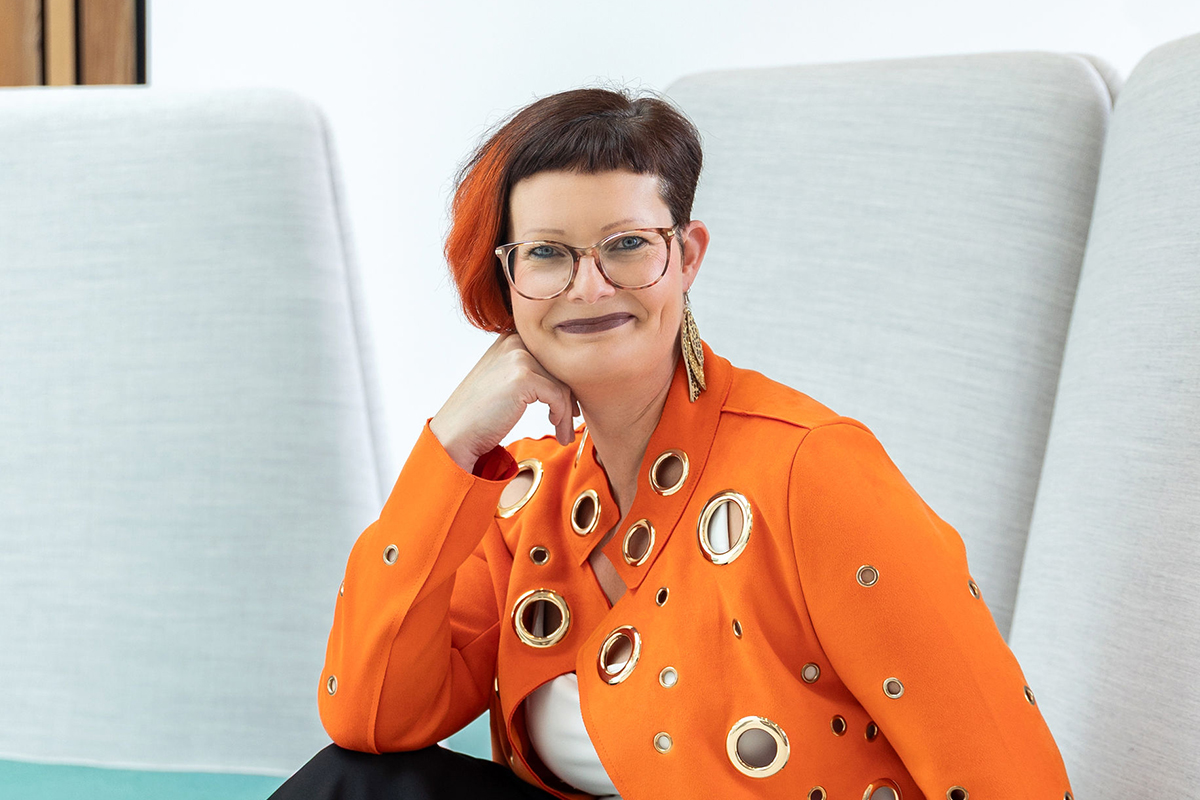
Mortgage Soup fires the questions at Sam Lindsay, mortgage adviser at My Mortgage Angel.
Mortgage Soup (MS): You’re celebrating 10 years in the mortgage industry. Looking back, what have been the biggest changes in the mortgage and lending landscape during that time?
Sam Lindsay (SL): One of the biggest shifts in the last decade has been the increase in higher loan-to-value lending and much greater innovation around products such as joint borrower sole proprietor mortgages which have done a great job of opening up homeownership opportunities for more people.
Interest rates have become far more volatile. When I first started rates were relatively stable whereas now they can change very quickly.
This means that getting professional advice is more valuable than ever as borrowers need help navigating a fast-moving market and ensuring that they are securing the right deal for their circumstances.
We’ve also seen much stronger regulation across the industry. This means more administration, but the changes are there to protect consumers.
Lending today is far more responsible which has contributed to lower repossession levels and better long-term outcomes for borrowers which is always going to be a good thing.
MS: How have attitudes towards homeownership changed over the past decade?
SL: People’s priorities when buying a home have changed. The rise of flexible and remote working means many buyers are no longer tied to living close to their workplace. Instead, they are prioritising lifestyle, space and quality of life which has influenced both where people choose to live and the type of property they buy.
We’re also seeing much more intergenerational living. Since the pandemic in particular, many families have made the decision to live closer together with parents and adult children combining resources to purchase properties with annexes or additional living space. Covid made many people reassess the importance of family support and being together.
Borrowers are also much more aware of interest rates and economic changes than they were a decade ago. With constant media coverage people are following mortgage rates closely although the volume of information available can often create unnecessary anxiety and uncertainty which is why speaking to an adviser helps alleviate this by providing clarity.
MS: We’ve seen everything from record-low interest rates to a significant period of rate rises. How has this changed borrowers’ attitudes towards risk and affordability?
SL: The volatility of interest rates over the last 10 years has made borrowers much more cautious and focused on affordability. Many clients want more certainty and stability of their monthly payments which is why fixed-rate mortgages remain extremely popular and appetite for tracker products is generally lower.
Affordability assessments are also much stricter than they once were as lenders are taking a much more responsible approach to ensuring borrowers can still afford their mortgage if circumstances change or rates increase in the future.
For many first-time buyers, purchasing a property often means borrowing close to their maximum capacity simply because of house prices. Lenders will often lend less than applicants expect because they are stress-testing affordability to protect borrowers from finding themselves in financial difficulty later on.
MS: Many homeowners who secured low mortgage rates during Covid are now facing much higher repayments. What impact has this had on household finances and borrowing decisions?
SL: Higher mortgage costs have undoubtedly made households think much more carefully about their finances. We’re seeing fewer people move purely because they want a change of scenery with many moves driven by necessity rather than choice.
Instead of moving more homeowners are choosing to borrow more where they can to improve their existing property. We’re also seeing a significant increase in product transfers as borrowers look to secure a new deal with their existing lender rather than remortgaging elsewhere.
People are concerned about affordability assessments, particularly if their circumstances have changed since they originally took out their mortgage. Individuals have become far more financially conscious, and we find that borrowers are often willing to adjust their lifestyle and spending habits to remain in their homes.
MS: Mortgage rates continue to dominate the headlines, but what are the key factors borrowers should be paying attention to when choosing the right mortgage for them?
SL: Mortgage products are not one-size-fits-all and the lowest rate won’t always be the best option for everyone.
Borrowers should consider lender criteria, fees, flexibility and how their circumstances might change during the mortgage term to determine the best route for them. It’s important to think beyond today’s rate and consider where you expect to be in two or even five years time.
There are also increasingly attractive incentives available for energy-efficient homes with some lenders offering preferential rates for properties with strong EPC ratings.
My advice is always to speak to a broker who can look at your wider circumstances and help you make a decision based on your long-term plans.
MS: One of your areas of expertise is helping women navigate property ownership after separation. What are some of the biggest misconceptions people have about their mortgage options following separation?
SL: One of the biggest misconceptions amongst many women post separation is that homeownership is no longer possible. Many assume that because they are now relying on one income that buying a home is out of reach, but that’s often not the case. Given how expensive renting can be, homeownership can still be an achievable and sensible option for many people following separation.
Lenders will consider a range of income sources, including maintenance payments, second jobs and other regular income streams so it’s important not to make assumptions before seeking advice.
Separation is understandably emotional but it’s essential to take emotion out of financial decisions where possible and focus on what will provide the best long-term outcome. Sometimes that may mean considering a different property type or location in order to create stability and financial security.
MS: How is the demographic of first-time buyers changing and what challenges are they facing that previous generations didn’t encounter?
SL: First-time buyers today tend to want homes they can stay in for longer, rather than treating their first purchase as a stepping stone. Higher stamp duty and moving costs mean many buyers want a property that will meet their needs for years to come so they don’t need to move again too soon.
We’re also seeing fewer buyers take on major renovation projects. Many people are time-poor and lack either the confidence or practical skills needed for extensive refurbishment work.
At the same time, competition for properties requiring improvement remains strong, particularly from landlords and investors, which can make it even harder for first-time buyers to secure a suitable home.
MS: If you could change one thing about the mortgage industry to better support consumers, what would it be and why?
SL: I would like to see the homebuying process become faster and more standardised. Buying a home can be incredibly stressful with much of that anxiety coming from delays and inconsistencies between lenders and other parties involved in the transaction.
A more streamlined, standardised process across lenders would improve the experience for everyone. There is also a strong case for greater consistency around surveys and property information provided all parties are willing to work to the same standards.
Anything that reduces uncertainty and shortens timescales would ultimately benefit both consumers and professionals across the industry.
MS: What piece of mortgage advice do you find yourself giving clients most often?
SL: Plan early.
I always encourage clients to review their credit report as soon as possible, understand what deposit they will need and obtain a decision in principle before they even begin house hunting.
Knowing what you can realistically afford gives you confidence and helps avoid disappointment later on. It’s important not to fall in love with properties before understanding your budget and overall affordability. Taking time to prepare properly can make the entire process much smoother and far less stressful.
MS: Looking ahead, what do you think the mortgage industry will look like in five to ten years’ time, and what role will technology and AI play in the advice process?
SL: Technology and AI are already transforming the mortgage industry and that will continue over the next decade. AI is already helping advisers analyse documents, review bank statements and produce meeting notes which is saving valuable time and reduces the risk of human error.
I hope that the technology innovation coming through means that the mortgage process will become faster and more efficient. Technology will enhance administration and processing but the need for personalised advice will still be important. Mortgages are one of the biggest financial commitments most people will ever make and many borrowers still need guidance through the complexities.
I would also love to see continued product innovation from lenders that helps more people access homeownership.


