

Proposals giving cohabiting couples automatic rights over homes, pensions and other assets lack clear public support, Baroness Ruth Deech has warned.
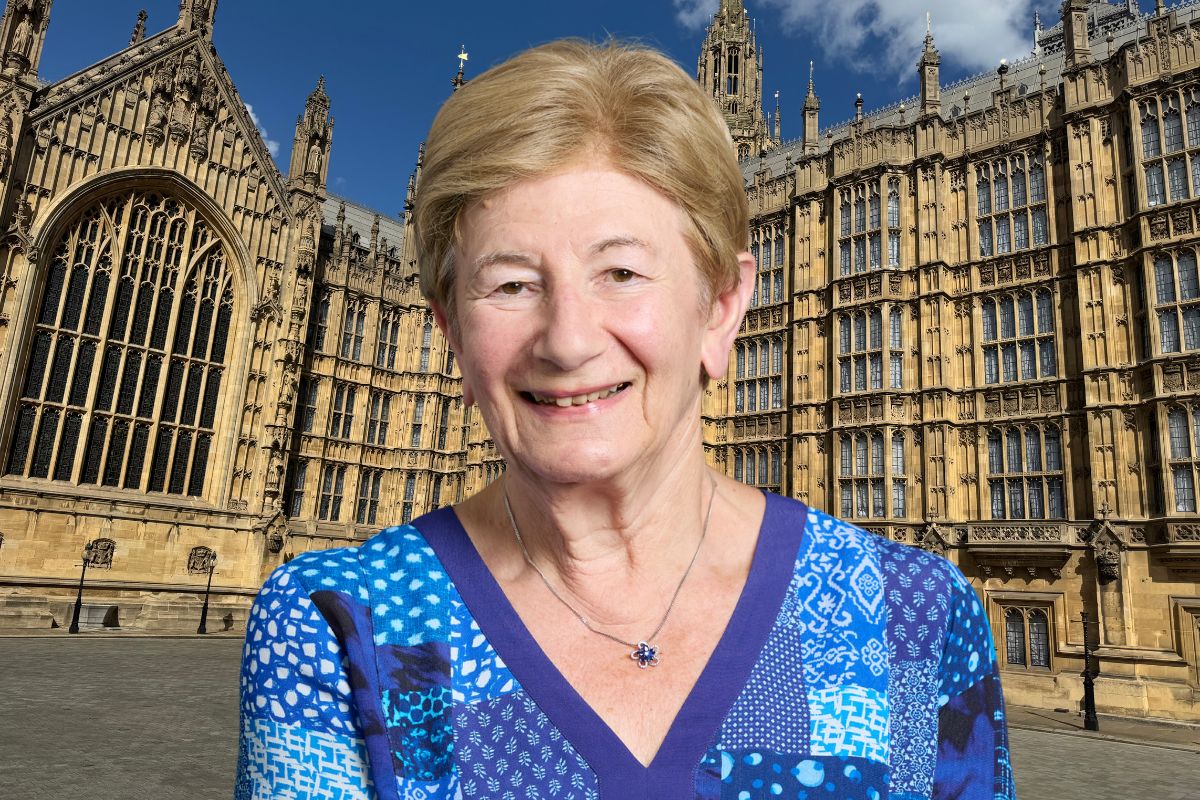
The crossbench peer (main picture, inset) made the claim in a submission to the Ministry of Justice’s consultation, A Fairer End to Relationships, which closes on 14 August.
Under the proposals, couples living together for three years, or those with a child together, could automatically acquire legal rights and obligations. Following separation, either partner could ask a court to make orders covering property and other assets.
Couples wishing to remain outside the framework would both need to agree, receive independent legal advice, disclose their finances and sign a formal agreement.
PUBLIC SPLIT OVER REFORM
Polling of 2,060 UK adults by Survation found that 72% had previously heard little or nothing about the proposals.
Once the plans had been explained, 37% supported them, 22% opposed them and 41% were undecided or expressed no firm view.
The public was also divided over whether reform was needed, with 42% considering the existing law broadly adequate and 41% believing additional rights should be introduced.
Some 47% believed the framework should not apply where one partner wanted to opt out, compared with 32% who supported requiring the agreement of both partners.
The survey found equal support of 43% for the Government’s proposed automatic framework and an alternative statutory opt-in system.
PROPERTY AND INHERITANCE CONCERNS
Baroness Deech argued that an opt-in model would preserve the ability of divorced and widowed people to protect property and other assets intended for their families.
The polling found that 76% considered it important for people who had previously been married or in a civil partnership to remain financially independent and preserve assets for children and grandchildren.
Baroness Deech said: “The polling shows the Government has no clear public mandate for automatically imposing marriage-like legal rights and obligations on cohabiting couples without their consent.
“Many people consciously choose not to remarry because they value both companionship and financial independence. They should remain free to make that choice, and the law should respect – not undermine – it.”
She added: “If the Government concludes that additional legal protection is needed, it should introduce a simple statutory opt-in system that allows couples to choose for themselves whether they wish to acquire those rights and responsibilities.”
Her submission recommended rejecting the automatic opt-out model or, if it was retained, allowing either partner to prevent the framework applying by formally withholding consent.


