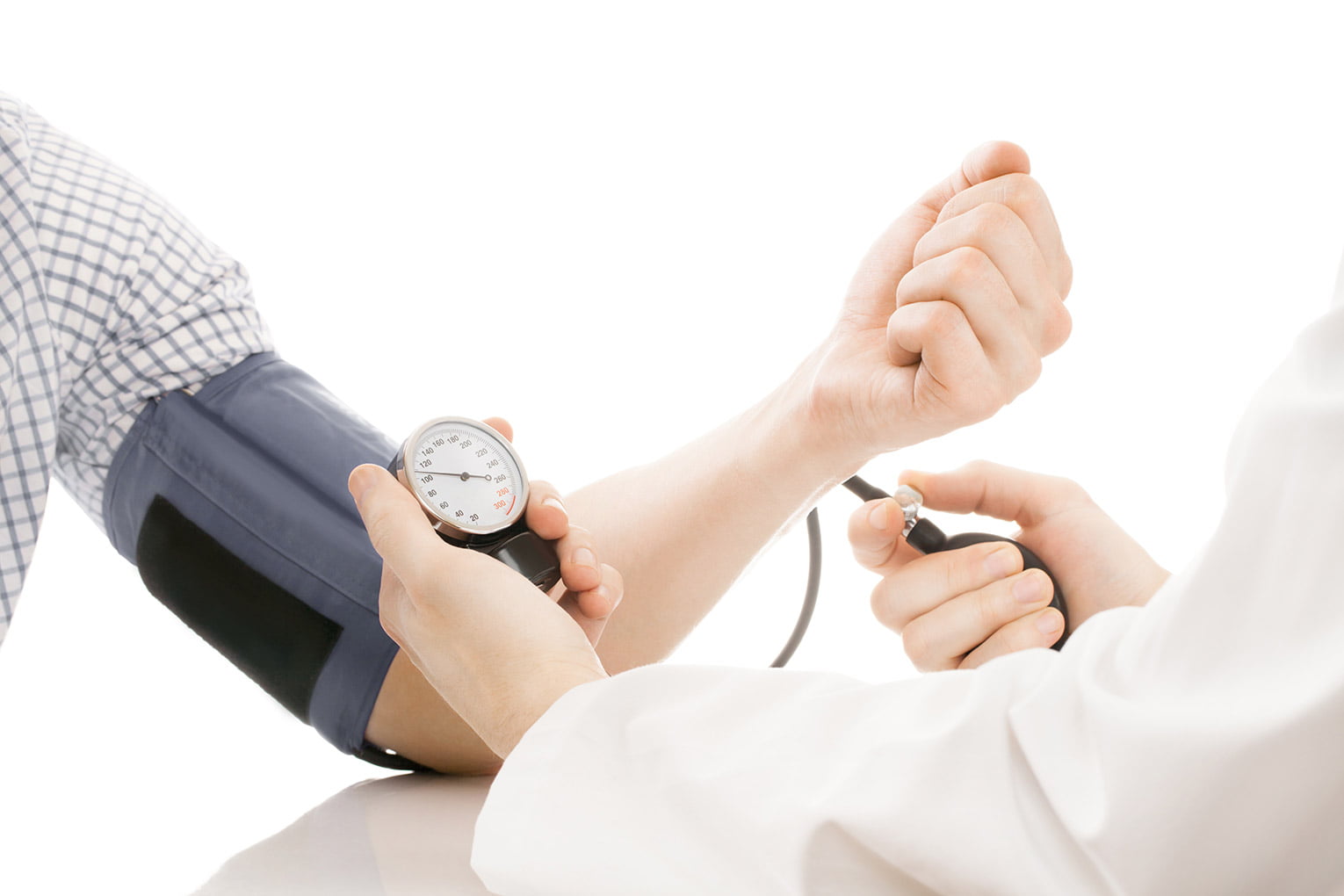
Applicants disclosing diabetes, high blood pressure and mental health conditions are increasingly receiving immediate life insurance decisions, although new research suggests public awareness of improvements in underwriting remains limited.
Analysis from UnderwriteMe’s Protection Platform Pulse Report 2026 shows that immediate acceptance rates have risen across several commonly disclosed medical conditions, with some categories recording rates of more than 90%.
The proportion of applicants with diabetes receiving an immediate Life Cover decision increased from up to 71% in 2024 to up to 84% across 2025 and the first half of 2026.
Over the same period, immediate decision rates for raised blood pressure increased from up to 87% to up to 95%, while rates for applicants disclosing raised cholesterol rose from up to 80% to up to 91%.
Applicants reporting depression, anxiety or stress also experienced an improvement, with immediate decision rates increasing from up to 90% to as high as 99%.
CONSUMER PERCEPTIONS LAG BEHIND UNDERWRITING CHANGES
Despite the increase in immediate decisions, separate research commissioned by UnderwriteMe suggests that many consumers continue to regard existing medical conditions as a potential barrier to obtaining protection insurance.
A survey of 2,000 UK adults found that only 21% knew that people with common physical or mental health conditions could potentially receive an immediate life insurance decision online.

More than two-thirds (68%) were unaware of this possibility, including 72% of women and 65% of men.
The research also found that 38% believed someone diagnosed with a condition such as diabetes, high blood pressure, depression or anxiety would be more likely to have a protection application declined. A further 21% were uncertain.
However, 24% said improvements in how insurers assess common health conditions would make them more likely to consider applying for protection insurance.
Andrew Doran, chief executive officer of UnderwriteMe, said: “This year’s Protection Platform Pulse Report highlights the significant progress being made across the protection market.
“We are seeing more applicants with common physical and mental health conditions such as diabetes, cholesterol, depression, and anxiety receiving immediate underwriting decisions, demonstrating how insurers are continuing to refine their underwriting approaches and improve access to protection cover.
“For advisers, this means greater confidence when discussing protection with clients and a smoother route from recommendation to cover. However, despite these advances, consumer perceptions have not yet fully caught up.
“Many people still assume a health condition will make protection difficult to obtain when the reality is often very different.”
INCOME PROTECTION GAINS SHARE OF APPLICATIONS
The report also identifies an increase in Income Protection activity, with the product accounting for 12% of applications submitted through the Protection Platform during the latest reporting period, compared with 10% in 2024.
This represents a 20% relative increase in its share of applications.
Life Cover remained the largest product category, accounting for 65% of submissions, unchanged from the previous report. Critical Illness accounted for 23%, down from 25%.
Income Protection also recorded improvements in straight-through processing, with the proportion of applications processed in this way rising from 62% in 2024 to 64% in 2025 and 66% in the first half of 2026.
Nevertheless, Income Protection continued to have the lowest overall straight-through processing rate of the three product categories.
Across the latest 18-month dataset, Critical Illness achieved the highest rate at 84%, followed by Life Cover at 83% and Income Protection at 64%.
Consumer research suggests there may be further scope for growth in Income Protection. Almost half (49%) of UK workers expressed an interest in insuring their monthly income against an inability to work because of illness or injury.
Interest was particularly pronounced among younger workers, with 66% of Generation Z respondents expressing interest, compared with 38% of Generation X. Across all workers surveyed, 14% said they would be very interested in taking out cover.
Jo Miller, managing director of the Income Protection Task Force, said: “The growth in Income Protection is highly encouraging and shows real progress in closing the protection gap.
“Increased adviser adoption, greater insurer participation and improved straight through-processing are making Income Protection easier to access and place, allowing advisers to focus on client value rather than process complexity.
“These trends suggest the market is moving in the right direction to make protection against loss of earnings more accessible for consumers and to build a more financially resilient population.”
GENDER DIFFERENCES PERSIST
UnderwriteMe’s application data also reveals differences in the gender composition of protection applicants.
Life Cover applications were broadly evenly divided, with men accounting for 51% and women 49%. Critical Illness showed a slight female majority, with women representing 51% of applications and men 49%.
The difference was more pronounced for Income Protection, where 56% of applications came from men and 44% from women.
The findings are based on anonymised, aggregated application data submitted through UnderwriteMe’s Protection Platform, covering participating insurers including Beagle Street, Guardian, Holloway, LV=, Royal London, Scottish Widows, The Exeter, Virgin Money and Vitality.
The report compares 2024 application data with submissions made during 2025 and the first six months of 2026, providing an indication of changes in underwriting outcomes and the mix of protection business processed through the platform.