

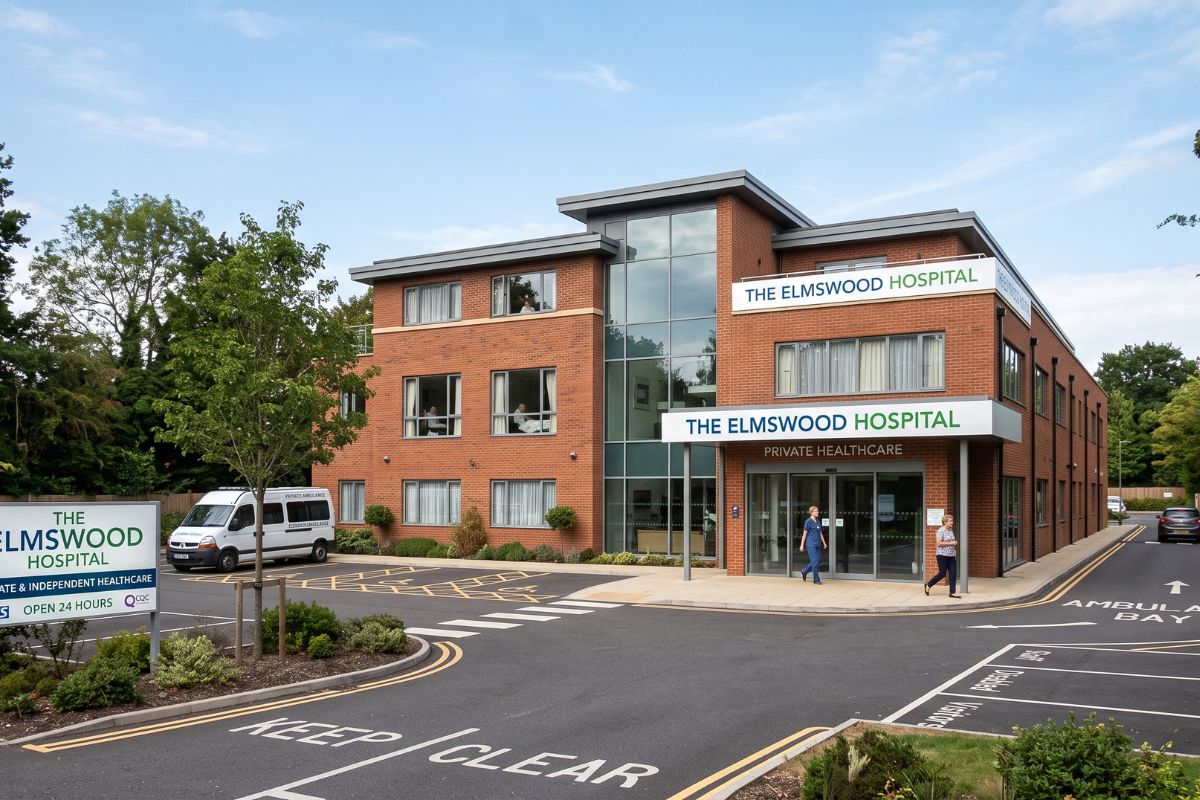
Demand for private healthcare remained close to record levels at the start of 2026, highlighting the growing importance of healthcare and protection conversations for mortgage advisers.
Figures from the Private Healthcare Information Network (PHIN) showed 247,495 private hospital and clinic admissions across the UK during the first quarter, up marginally from 246,550 a year earlier and around 4,500 higher than Q1 2024.
While insured admissions dipped from the record levels seen last year, the number of people paying directly for private treatment reached an all-time high.
Self-pay admissions increased 7.7% year-on-year to around 77,000, compared with approximately 71,000 during Q1 2025.
For mortgage brokers also advising on protection, the figures provide further evidence of consumers’ willingness to pay for faster or alternative access to healthcare and potentially strengthen the case for discussing private medical insurance alongside wider protection needs.
INSURED ADMISSIONS DIP
Private medical insurance continued to fund the majority of private treatment, accounting for 69% of admissions during the quarter.
Insured admissions fell 2.6% from the record 175,000 recorded in Q1 2025 to around 171,000, but remained above the 170,000 recorded two years earlier.
The latest figures followed another record year for the private healthcare sector in 2025, when total admissions increased for a fifth consecutive year.
Insured admissions reached a record 670,000 during 2025, up from 665,000 in 2024.
PHIN cautioned that the latest increase in self-pay activity was not uniform across private healthcare. Cataract surgery accounted for 46% of the overall increase, with older patients responsible for much of the additional self-funded treatment.
NHS WAITING LIST
The figures come despite some recent improvement in NHS waiting times.
NHS England reported that its elective treatment waiting list fell to 7.27 million in June, even as a record number of patients were referred for treatment during the month.
However, the scale of the outstanding waiting list continues to provide a backdrop against which consumers and employers are considering alternatives for accessing treatment.
For advisers, that potentially makes access to healthcare an increasingly relevant element of broader protection discussions, alongside products designed to provide financial support following illness or an inability to work.
‘DEMAND REMAINS STRONG’

Brett Hill, head of health and protection at Broadstone, said: “Demand for private healthcare remains strong, with individuals and employers continuing to seek faster access to care as progress on NHS waiting lists remains slow.
“Self-pay admissions have spiked to a record high after remaining stable for several years, suggesting many people around the country are still finding the NHS cannot deliver the treatment they need, when they need it.”
“Private healthcare looks set for another strong year.”
He added: “For employers who fund healthcare benefits for employees, the levelling off in the growth in insured admissions will be welcome news.
“While insured admissions still account for the lion’s share (69%) of private healthcare admissions, the slight year-on-year fall in numbers is evidence that claims inflation is starting to subside, which should alleviate the upwards pressure we’ve seen on PMI renewal premiums in recent years.
“Private healthcare looks set for another strong year, but there is no quick fix for the pressures facing the NHS.
“As the Chancellor prepares for his first Budget, reducing the tax burden on employer-funded health benefits could increase the take-up of such benefits and provide a boost for access to healthcare, improving the health of the UK’s workforce while alleviating pressure on the NHS.
“For businesses, PMI will remain a key part of benefits strategies as they look to get ahead of the UK’s sickness challenge and protect their bottom line.”


