

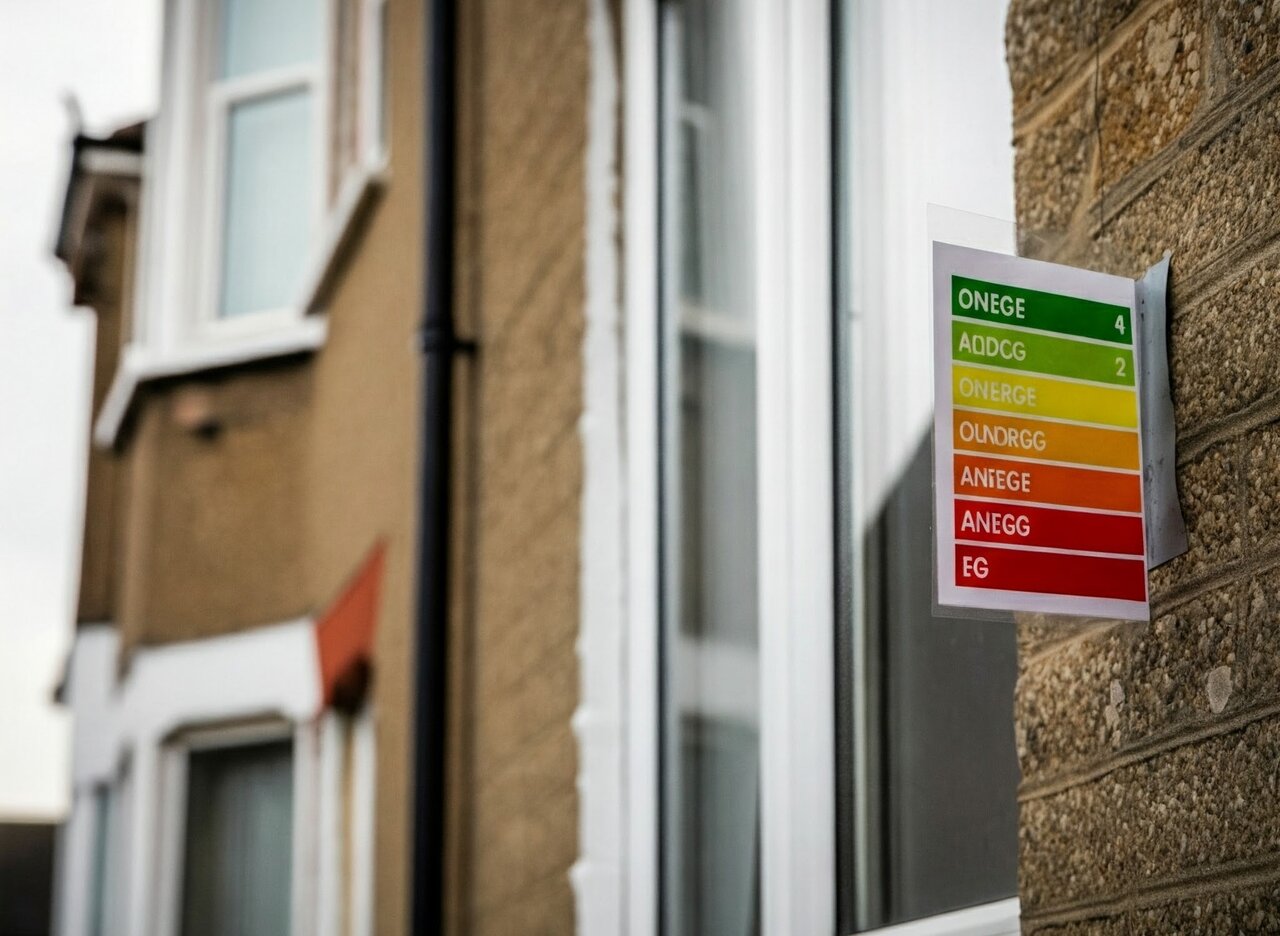
More than two-fifths of UK homeowners have delayed or are considering delaying energy-efficiency improvements, research from Uswitch suggests.
A survey of 1,500 people found that 20% had already postponed improvements, while a further 23% were considering doing so.
The findings indicate that uncertainty over energy performance certificates and the effect of improvements on household bills may be discouraging investment in measures such as insulation, heating systems and renewable energy installations.
CONFUSION OVER EPC ASSESSMENTS
More than a third of respondents, 36%, incorrectly believed that energy costs were taken into account when calculating an EPC rating.
Under current guidelines, the rating is based on the amount of energy a property uses per square metre for purposes such as heating and lighting, as well as the amount it loses through features including poor insulation. An assessor calculates the property’s Standard Assessment Procedure score before determining its EPC rating.
Some 15% of those surveyed thought the value of a property affected its rating, while 16% cited the number of bedrooms and 6% its location.
Respondents were more confident about some of the factors used to assess energy performance. Insulation quality was identified by 56%, heating-system efficiency by 49%, and renewable energy installations such as heat pumps and solar panels by 37%.
LINK WITH HOUSEHOLD BILLS UNCLEAR
Almost half of respondents did not fully understand the relationship between EPC ratings and energy bills. While 53% said the rating had at least some effect on household energy costs, 21% believed that it had little or no effect and 25% were unsure of its influence.
A higher EPC rating indicates that a property is more energy-efficient and is therefore likely to cost less to heat and power.
Ben Gallizzi, energy comparison specialist at Uswitch, said: “Delaying upgrades such as insulation, heating improvements, or renewable energy installations can leave households locked into higher energy consumption and unnecessarily expensive bills at a time when many families are already feeling the pressure of rising living costs.
“Investing in energy efficiency measures not only helps reduce monthly energy bills, but can make homes warmer in winter and cooler in summer.
“Improvements such as better insulation, modern heating systems and renewable technologies can increase a property’s long-term value and help homeowners prepare for future changes in energy prices and efficiency regulations.
“Taking action sooner rather than later allows households to start benefiting from lower energy costs immediately while also making their homes more resilient and cost-effective for years to come.”


