

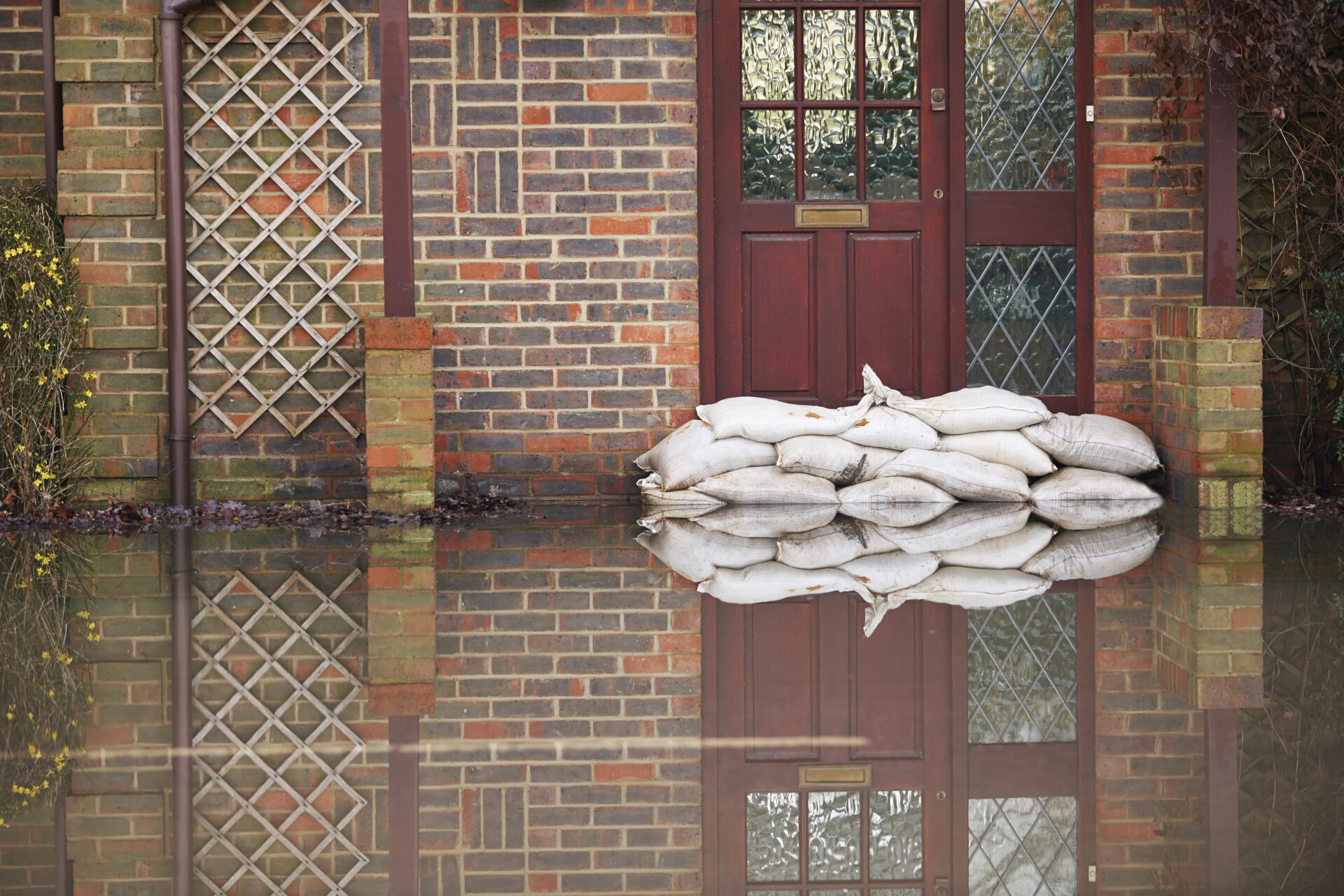
Almost eight in 10 homeowners have made no specific preparations to protect their properties from extreme weather, despite growing concerns about the risk of damage, research from Compare the Market has found.
The comparison website’s survey found that 79% had not taken preventative measures, although 49% were worried about the potential impact of extreme weather on their homes.
Concerns are increasingly influencing property purchasing decisions, with 56% of homeowners saying extreme weather risks would affect their choice of a future home. By comparison, 33% considered those risks when buying their current property.
The findings also suggest potential implications for property values and insurance costs. More than four in 10 respondents (43%) were concerned that extreme weather could increase the cost of insuring their home, while 34% feared it could reduce their property’s value.
Almost a quarter (23%) believed their home was likely to suffer extreme weather damage within the next five years.
WEATHER DAMAGE COSTS AVERAGE OF £1,793
Among homeowners who had experienced extreme weather damage, the average cost of repairing the most recent incident was £1,793. However, 67% did not make an insurance claim for the repairs.
Storms and strong winds were the most commonly reported cause of damage, affecting 23% of respondents, followed by heavy rainfall at 17%. Flooding and extreme heat had each caused damage for 8%.
More than half (52%) said extreme weather in the UK and overseas during the summer had increased their concerns about their own property, while 66% were more worried than they had been five years earlier.
Strong winds and storms were the leading concern, cited by 55% of homeowners. Heavy rainfall followed at 38%, extreme heat at 33% and flooding at 31%.
The research comes amid warnings that a developing El Niño event could be particularly strong, potentially disrupting global weather patterns into 2027.
Abbie Dewhurst, weather presenter and sustainability expert, said: “El Niño is a powerful natural climate phenomenon that pushes up global temperatures and can increase the risks of extreme weather all around the world. The developing event is attracting a lot of attention because of its potential strength, although it’s important to remember that El Niño is only one of several factors influencing the UK’s weather and doesn’t mean we can predict individual storms or floods months in advance.
“The research shows a clear gap between concern and action. While many homeowners are increasingly worried about extreme weather, relatively few have taken specific steps to protect their property.”
INSURANCE COVER REMAINS UNCLEAR
Uncertainty about home insurance protection is another concern, with 35% of homeowners lacking confidence in their understanding of which types of extreme weather damage their policies cover.
Only 16% had reviewed their home insurance specifically in response to extreme weather risks, while 15% had compared policies and 9% had increased or added to their cover.
Despite the potential financial consequences of weather-related damage, average home insurance premiums have been falling over the past two years, according to Compare the Market.
The findings also come against a backdrop of increasing flood exposure. Environment Agency estimates suggest that approximately 6.3 million properties in England are currently in areas at risk of flooding from rivers, the sea or surface water.
That figure is projected to reach around 8 million by the middle of the century, equivalent to approximately one in four properties in England.
Amy Rootham, home insurance specialist at Compare the Market, said: “Extreme weather may cause significant and unexpected damage to a home, so it’s concerning that more than a third of homeowners aren’t confident they understand what types of extreme weather damage their home insurance covers.
“With winter approaching and long-range forecasts pointing to an increased risk of disruptive weather, now may be one of the most cost-effective times in recent years to review cover, compare policies, and check whether existing protection remains suitable.”
COST PREVENTS HOMEOWNERS FROM TAKING ACTION
Although preventative work remains limited, 63% of homeowners said they would be willing to spend money improving their property’s resilience if it reduced the likelihood of more expensive damage later.
Among those who had taken preventative measures, 51% had cleared or maintained gutters and drains, while 47% had checked or repaired roof tiles. Other measures included improving insulation or weatherproofing (39%), insulating pipes (38%) and maintaining potentially dangerous trees or branches (34%).
However, 29% of respondents did not believe their home faced a significant risk, while 28% cited the cost of preventative work as a barrier. A further 22% were unsure what measures to take.
Some homeowners also appeared to rely on insurance rather than prevention, with 17% saying they expected their policy to cover any damage.
More unsettled weather could prompt additional activity. If forecasts indicated a disruptive winter, 33% said they would review their insurance, 30% would undertake maintenance and 29% would protect pipes against freezing.
Rootham added: “Average home insurance premiums have lowered in price over the past two years, so if your policy is coming up for renewal soon, it’s worthwhile checking whether you could save money by switching.
“Make sure to choose the right deal for you and don’t focus on price alone when comparing policies – check the cover limits, excesses and exclusions carefully.”


