

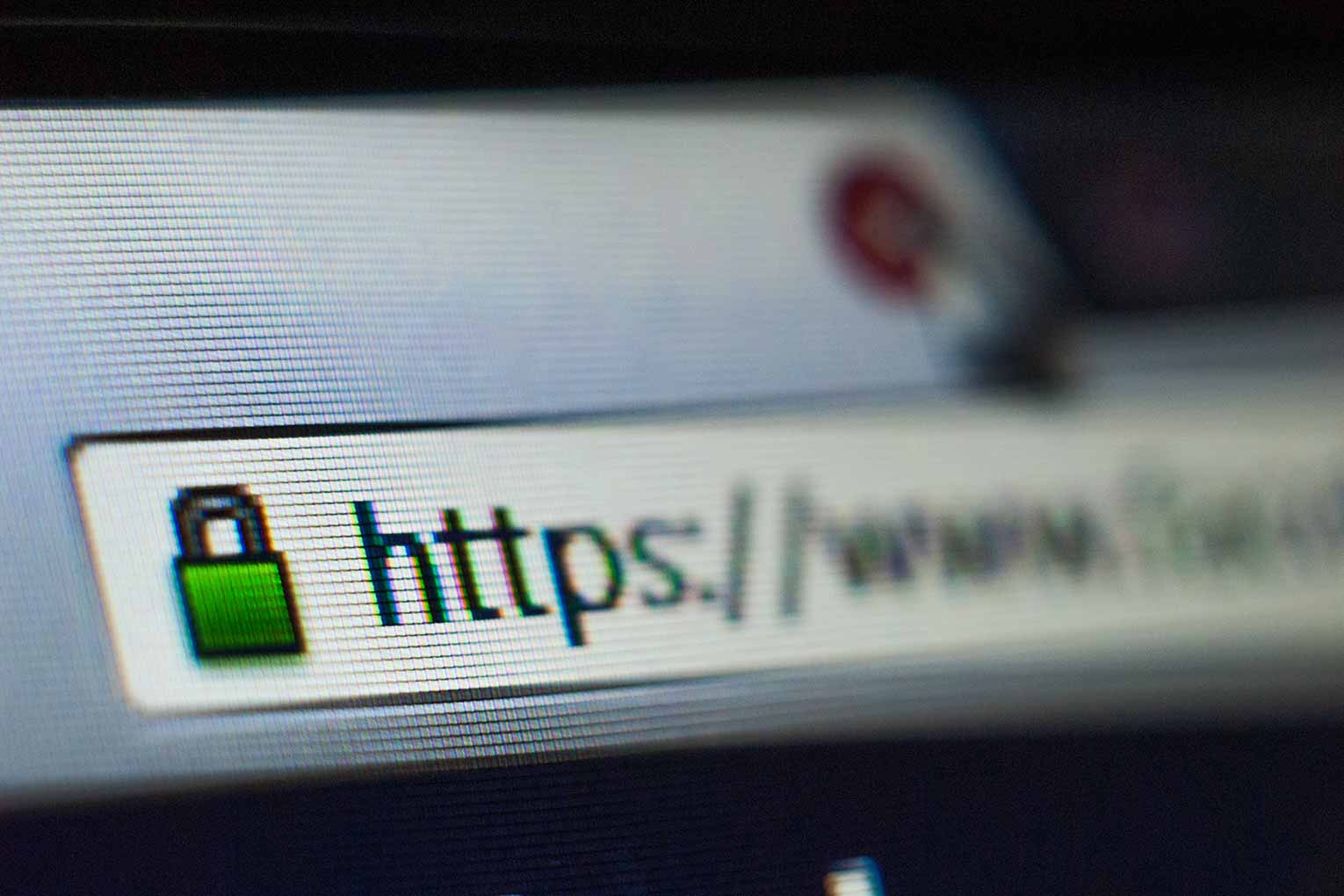
The Advertising Standards Authority (ASA) has ruled that a television advert for Barclays Bank misleadingly implied that the green padlock symbol in a browser’s address bar meant that the website was guaranteed safe and free of online scams or payment fraud.
The ad, seen in December 2017, featured a toy robot giving general website security advice. The robot character pointed to a website URL featuring a green padlock and stated, “…It’s a scam. If you order me you’ll get nothing. Right, before you pay, look for a padlock and always check the seller’s genuine. You don’t want to get scammed by a fake site …”.
15 complainants challenged whether the ad misleadingly implied that website URLs with green padlocks were guaranteed to be safe.
Barclays said they intended the ad to highlight the risks of online shopping scams through which fraudsters could harvest payment card details in order to pursue payment fraud. They believed the ad provided two pieces of advice to help consumers avoid becoming victims of online shopping or payment fraud, namely, “before you pay look for a padlock” and “always check the seller’s genuine”. They said “before you pay look for a padlock” was advice given by private sector businesses and public authorities, including Financial Fraud Action UK, the Information Commissioner’s Office, Get Safe Online, Action Fraud and Norton Symantech. They said the ad did not intend to provide technical detail surrounding the website padlock. They also believed the ad made clear that additional steps were necessary, and that viewers would understand that the website padlock was not the only necessary step for an online shopper to check in order to be safe. They also believed the ad did not make any safety guarantees.
Clearcast said the claim did not amount to a promise of absolute safety but was sensible advice for consumers to follow. They did not think the claim promised a failsafe way to avoid getting scammed whilst online shopping. They noted the absence of any absolute claims and the direction to viewers to take extra advice to check that their seller is genuine. They believed the claim would be understood by most viewers as sensible advice, and one of a number of measures consumers should take when shopping online.
The ASA considered that consumers were generally unlikely to have a detailed understanding of the website padlock symbol and the general steps required to ensure a website was safe. It considered viewers would understand the claim “Right, before you pay, look for a padlock and always check the seller’s genuine. You don’t want to get scammed by a fake site” to mean that if they saw a padlock in the address bar of their browser they would be protected from online shopping scams or payment fraud. The ASA noted that the character also stated “always check the seller’s genuine”, but due to the emphasis that the ad placed visually on the padlock, we considered that the overriding impression of the ad was nevertheless that the padlock guaranteed that a website was safe.
The ad watchdog understood that the padlock measure alone could not ensure safety, rather consumers would have to take additional steps to protect themselves from online shopping scams or payment fraud.
Because the ad suggested that a padlock guaranteed that a website was safe when a padlock in an address bar did not protect from online shopping scams or payment fraud, the ASA concluded the ad breached BCAP Code rule 3.1 (Misleading Advertising).
The ASA ruled that the ad must not appear again in the form complained of. It told Barclays Bank plc to ensure that they made clear that the website padlock security measure did not guarantee safety from online shopping or payment fraud.
A Barclays spokesperson said: “We apologise for not being clearer in one of our fraud awareness TV adverts. We always advise that people make multiple checks before purchasing online, and remain absolutely committed to arming people with the tools and information they need to stay safe from online fraudsters.
“Last year we prevented £857m of fraud, and engaged five million people through our Digital Safety campaign, including hosting 3,080 free awareness events.”


