

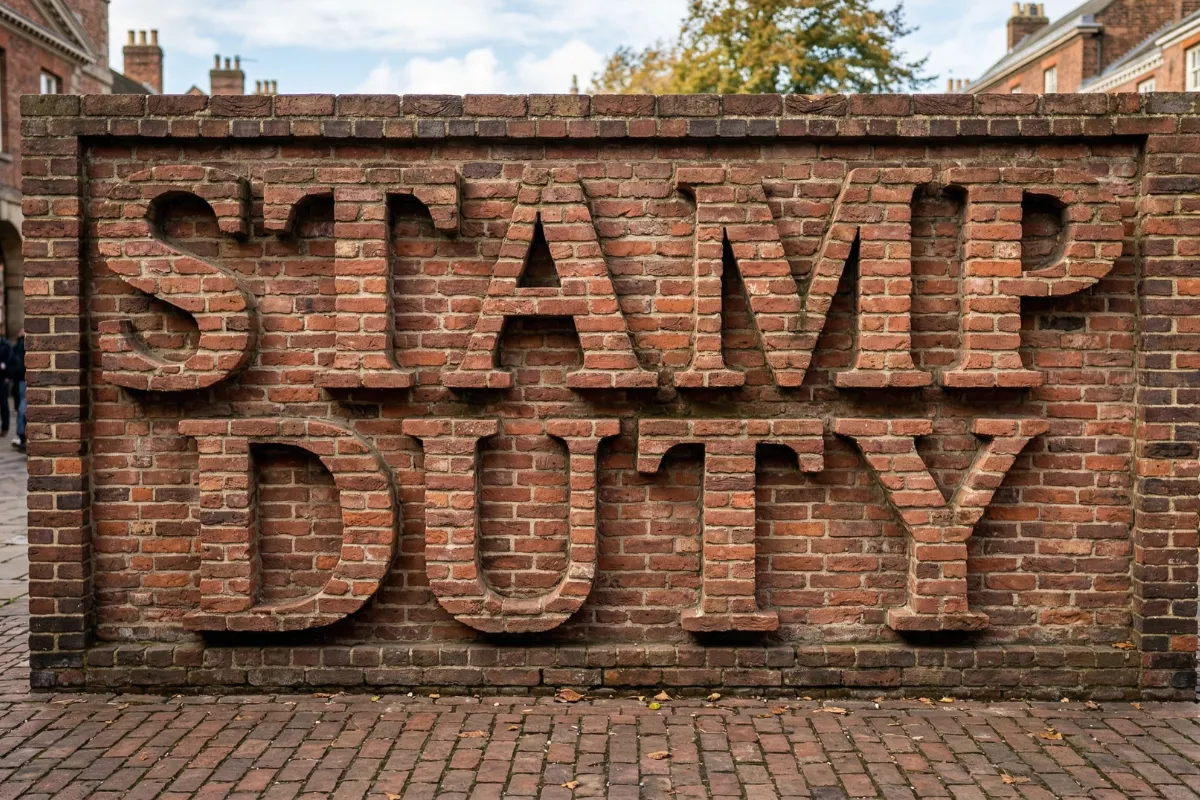
Stamp duty is deterring millions of people from moving home and restricting opportunities for first-time buyers, according to research from Yorkshire Building Society.
Nearly one in three adults, or 29%, seriously considered moving during the past year, rising to 49% among renters hoping to buy their first home.
Despite this demand, people now move home on average once every 21 years, compared with once every nine years in the late 1980s. Annual housing transactions have also fallen from between 1.5 million and 1.8 million in the early 2000s to between one million and 1.2 million.
The building society said stamp duty was playing a significant role in restricting movement. The tax was identified as a personal barrier to buying a home by 23% of first-time buyers, 31% of second-steppers and 35% of downsizers.
Half of downsizers said lowering property taxes to make moving more affordable should be a government priority.
Yorkshire Building Society calculated that each home sale generated about £27,000 in gross value added for the UK economy through spending on services and goods including conveyancing, removals, renovations and furniture.
The figure rose to as much as £66,000 when activity across the wider housing chain was included, while each transaction generated about £14,000 in tax revenue.
Tom Simpson, managing director of homes at Yorkshire Building Society, said: “As a mutual, Yorkshire Building Society exists to make good homes possible for more people.
“Yet our research shows that too many people who are ready for their next move – whether they are buying their first home, moving somewhere with more space or downsizing later in life – find themselves held back by the costs involved in moving.
“When fewer people move, the effects are felt right across the housing market. It becomes harder for first-time buyers to find suitable homes, families can struggle to move as their needs change, and the wider economy misses out on valuable revenue.
“That’s why we believe the case for reforming Stamp Duty is becoming increasingly difficult to ignore.”
Housing transactions contributed almost £28 billion to the UK economy in 2025, according to the society. They are forecast to generate a further £157 billion of economic value and as much as £80 billion in tax revenue for the exchequer over the next five years.
The analysis suggested that returning transactions to early-2000s levels, with an average of half a million more sales each year, could generate an additional £66 billion of economic value over the same period.
Although most first-time buyers do not pay stamp duty directly, Yorkshire Building Society said lower levels of movement among existing homeowners reduced the number of properties reaching the market, increasing competition and adding to pressure on prices.
Simpson added: “We are calling for an industry-wide discussion on replacing Stamp Duty with a better-designed tax. While the specifics are a matter for consultation, we’d like to see a fairer, more proportionate property tax that doesn’t penalise people each time they move.
“There would be an economic upside to doing so because, as our research shows, Stamp Duty supresses moves by disincentivising borrowers at all stages of the housing journey and is therefore a major factor in the significant fall in housing transactions over the past three decades.
“In reality, the tax is becoming ever more expensive due to rising house prices and disproportionately impacts borrowers in the South, where higher prices mean Southerners pay more for each house move and first-time buyers pay more despite the incentives for them.
“Concentrating on kickstarting housing market activity instead could generate overall economic benefit for the UK. Increasing transactions by just half-a-million a year – which is possible given where we were in the early 2000s – would make a huge difference.
“However, this isn’t just about revenue for the government – it’s about ensuring a more buoyant and sustainable housing market which benefits first-time buyers and allows for needs such as job mobility and downsizing, to ultimately make people’s lives better.
“By tackling this clear barrier, alongside issues like affordability and difficulties raising a sufficient deposit, the housing market can better meet changing needs, support economic activity and create a stronger pipeline of homes for future buyers.”


