

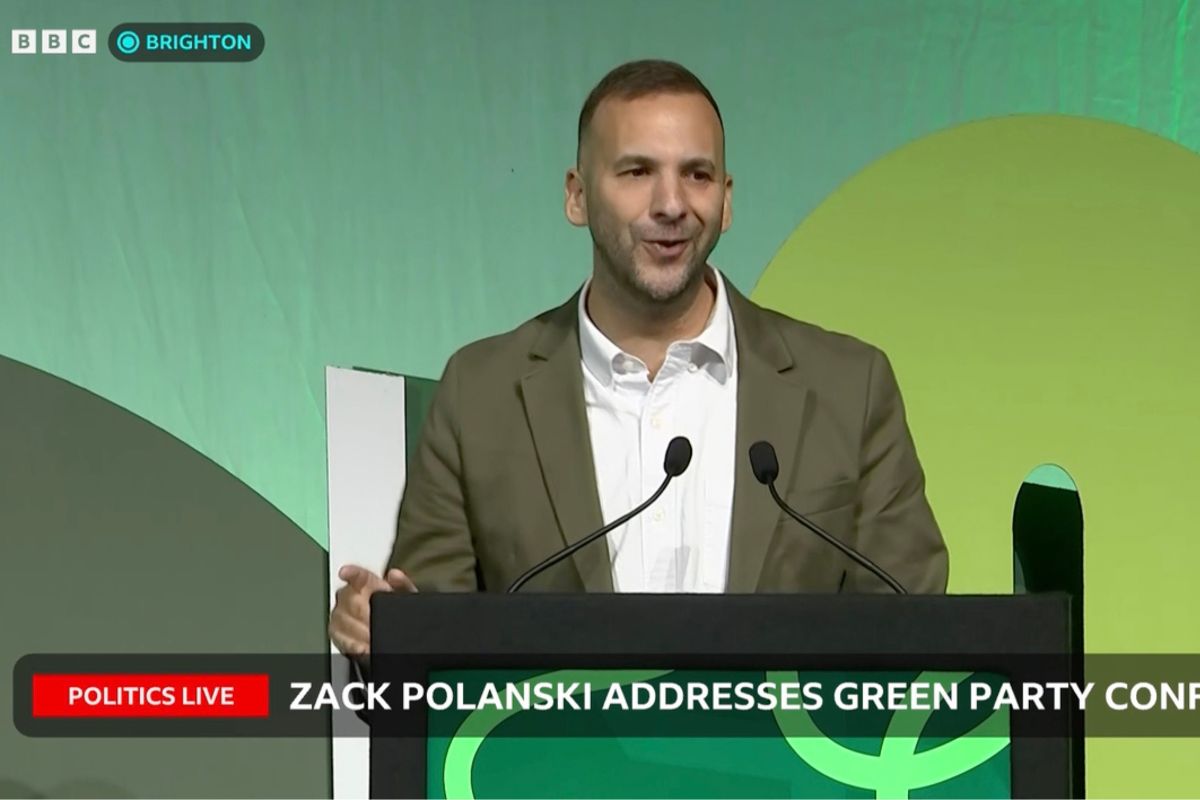
Green Party proposals to restrict private rent increases for three years could make it harder for buy-to-let borrowers to meet lender affordability criteria, brokers have warned.
Speaking at the party conference in Brighton earlier today leader Zack Polanski proposed an “emergency brake” that would limit private rent rises to the lowest of CPI inflation, wage growth or 2% for three years.
The Greens say the measure would give tenants “breathing space” while a longer-term Fair Rents Guarantee is developed.
But David Hollingworth, Associate Director at L&C Mortgages, warns that restricting landlords’ income while mortgage and other costs remain variable could have consequences for buy-to-let affordability.
LENDER CRITERIA

Hollingworth said: “Although there’s plenty of sympathy for the challenges that aspiring first-time buyers face, landlords will have understandably felt that there’s very little desire to understand the impact that rising costs and rule changes have had on them.
“No one will be against tenants being able to depend on a supply of good quality rental property, feeling that they won’t be uprooted at a moment’s notice. However, placing additional limits on the rents that can be applied by landlords risks ignoring the fact that landlords could face more significant increases in costs.
“Interest rate and inflation movements in recent years have been extremely turbulent, often pushing landlord costs up substantially, and changes to energy efficiency requirements will also need ongoing investment.”
BUY-TO-LET INVESTMENT
He added: “That would really need to be factored into the detail, as fixing the income level when costs could vary more significantly would only make it harder to meet lender criteria.
“Ultimately it would likely be seen as yet another rule change which risks causing landlords to decide that investment in buy-to-let is no longer for them.”
The proposed three-year restriction is not a complete rent freeze. Rents could still increase, but annual rises would be limited to whichever was lowest out of CPI inflation, wage growth or 2%.


