

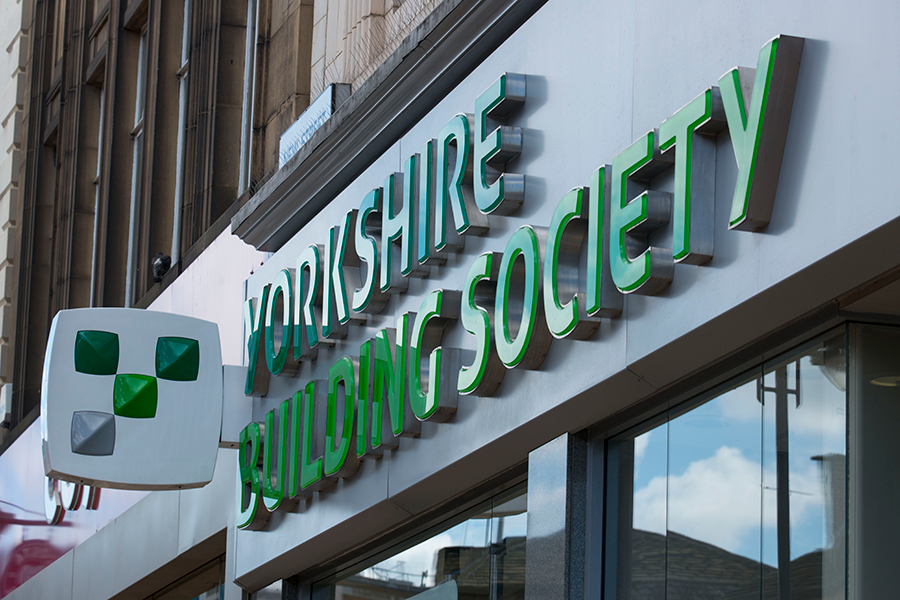
Yorkshire Building Society has scrapped its minimum income requirement for first-time buyers seeking loans of up to 5.5 times their income, extending access to higher loan-to-income lending amid ongoing affordability pressures.
The change, which applies from today across the Society’s product range except for the £5k Deposit Mortgage, also extends to its intermediary brand, Accord Mortgages.
It follows a period of regulatory reform that has allowed lenders greater discretion in setting higher LTI limits, subject to approval.
Tom Simpson, managing director for homes at Yorkshire Building Society, said: “We were pleased earlier this year when the regulator granted lenders greater flexibility in setting higher LTI lending limits, a change we had long advocated.
“At that time, we committed to enhancing our support for borrowers in achieving their homeownership aspirations, and we are delivering on that promise.”
He added: “The move is designed to help first-time buyers who have good creditworthiness but are being held back by high house prices and cost-of-living pressures.
“We want to make sure those who can afford to borrow more, have the opportunity to do so.”
QUALIFYING CRITERIA
The updated criteria apply to new applications only. For joint applications, at least one applicant must be a first-time buyer. Loans are available up to 95% loan-to-value and include access to products within the Income Lifter range. New-build properties, including flats, are eligible.
The changes do not apply to the £5k Deposit Mortgage, and applicants must still meet all other lending and affordability requirements.
The announcement builds on steps taken by the Society during the summer, when it became one of the first lenders to use the new regulatory flexibility to introduce higher LTI options.
At that time, it launched the Income Lifter product, offering borrowing at up to 5.5 times income, subject to a minimum income of £50,000, and made the product available to first-time buyers at up to 95% loan-to-value.
The Society said these enhancements have already increased customers’ borrowing capacity by an average of 15% – roughly £37,000 – contributing to improved access to the housing market at a time when affordability constraints remain acute.


