

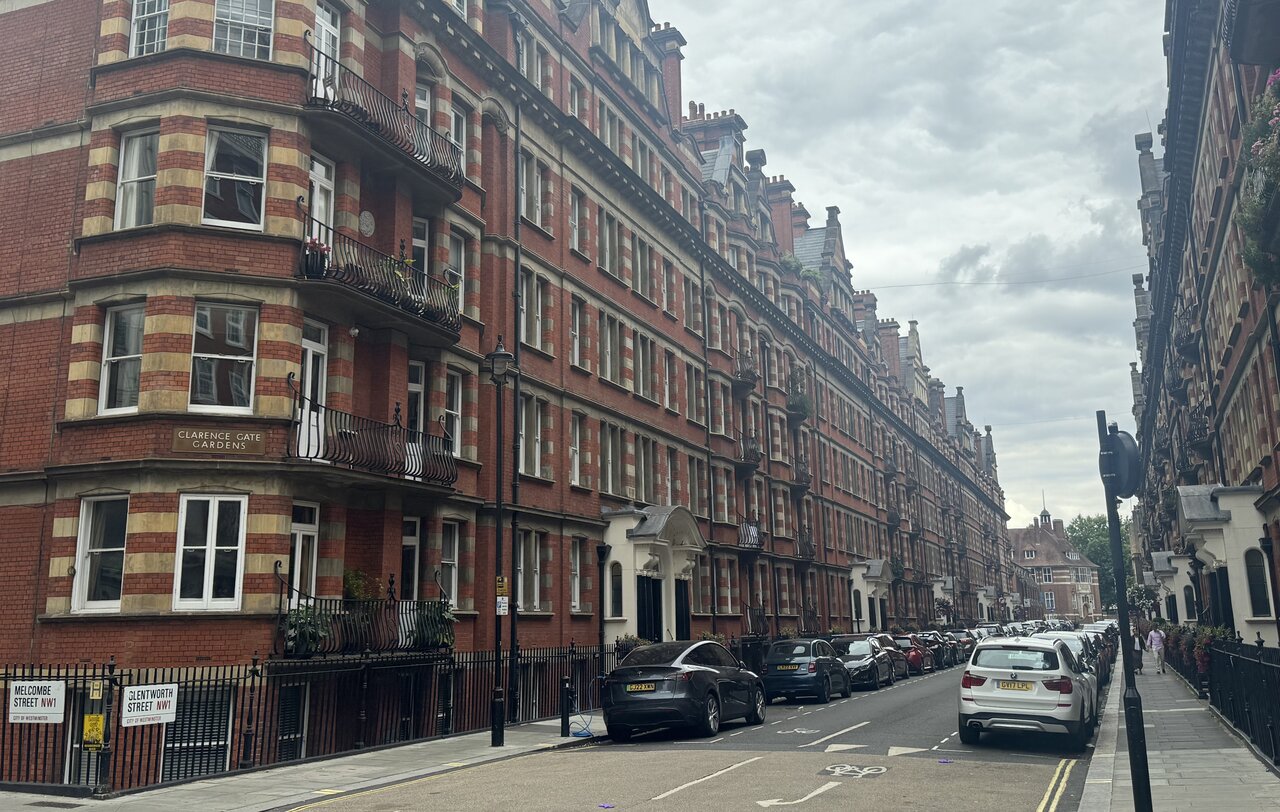
Chancellor Rachel Reeves is considering ending the capital gains tax (CGT) exemption on high-value homes in a move that could reshape the prime property market and weigh on housing transactions.
The Treasury is drawing up proposals for the autumn budget that would see gains on primary residences above a set threshold taxed at 24% for higher-rate taxpayers and 18% for basic-rate taxpayers.
According to The Times the exemption, known as private residence relief, currently shields all homeowners from CGT when they sell their main property.
A threshold of £1.5 million has been floated which would bring around 120,000 higher-rate taxpayers into scope, each facing average CGT bills close to £200,000.
SIGNIFICANT SUMS
Treasury officials believe the measure could raise significant sums though analysts warn of behavioural effects that may limit revenues.
Property experts suggest many owners could simply stay put rather than face large tax bills, reducing mobility in the prime market.
Downsizers are expected to be particularly affected, with some pensioners deterred from selling family homes.
CLIFF EDGE

Aneisha Beveridge, head of research at Hamptons, said: “It’s a big change that would hit long-term owners hardest and create a cliff-edge at £1.5 million, distorting behaviour around that point.
“For households who don’t need to move, this could act as a strong disincentive to sell.”
OPTIONS OPEN
As revealed earlier this week the Treasury is also examining options for a new property levy on higher-value sales but officials have since told The Telegraph any threshold would be set well above £500,000 to avoid dragging mainstream buyers into scope.
Reeves has ruled out rises to income tax, national insurance or VAT, leaving property taxes among the few levers available.
According to reports, while wider reform of council tax remains politically fraught, scrapping private residence relief above a certain value is seen inside the Treasury as a more realistic way to raise revenue without directly hitting “working people.”


