

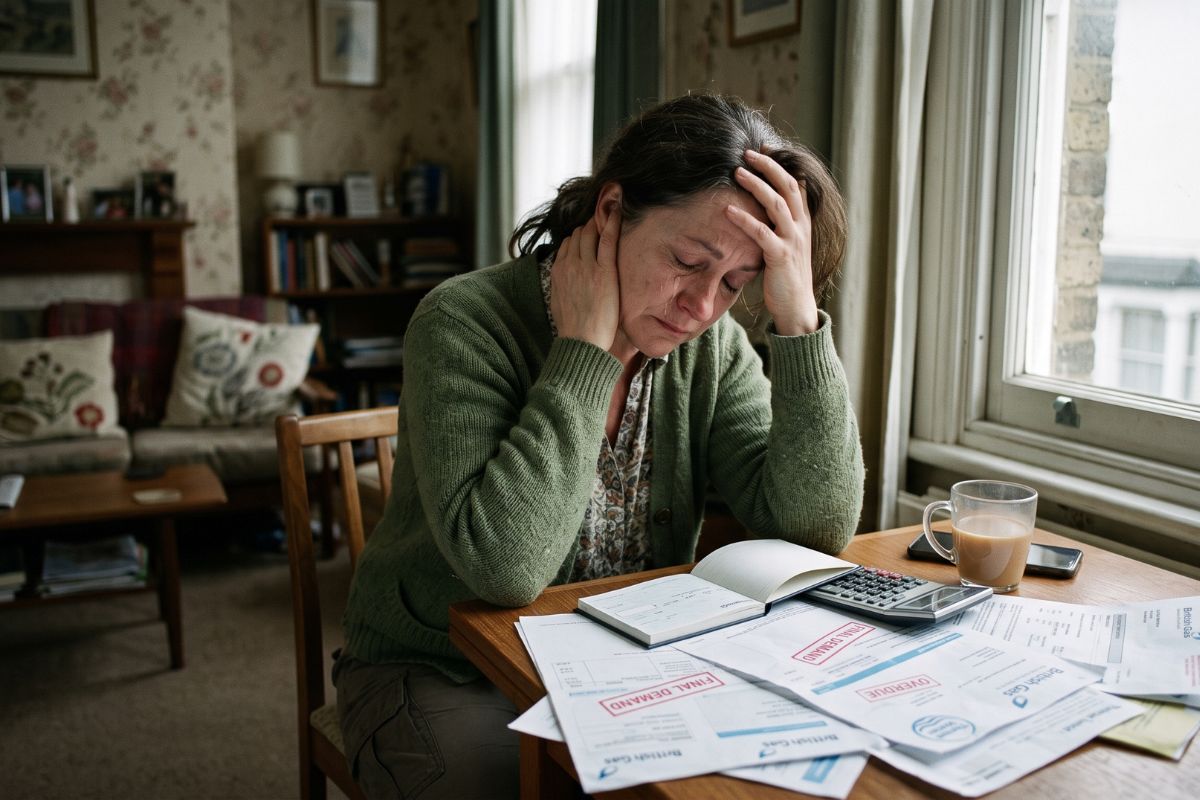
The proportion of UK adults apprehensive about making mortgage decisions has risen from 15% to 21% over the past year according to research from Handelsbanken Wealth.
Anxiety around other major financial decisions has also increased, with 33% now apprehensive about making investment decisions independently, up from 26%, while concern about pension decisions has risen from 19% to 26%.
Apprehension around personal loans increased from 13% to 20%.
The findings come despite several reductions in Bank Rate since August 2024 and suggest consumers are becoming more involved in managing their finances without necessarily becoming more confident about the decisions they face.
GREATER FINANCIAL RESPONSIBILITY
A quarter of respondents now have responsibility for overseeing mortgages, up from 23% last year, while 40% oversee pensions and 32% investments.
However, average financial assets reported by respondents, including cash savings, investments and pensions, fell from £197,106 to £183,781 over the past year.
Nearly three-quarters (72%) were concerned about the impact of the cost-of-living crisis or a recession on their finances, while 71% were worried about energy prices and 69% about inflation.
ONE IN FIVE WITHOUT SAFETY NET
The research found 20% of UK adults had no financial safety net in place.
While 42% had a rainy-day fund and 37% an emergency fund, 11% of those with an emergency fund estimated it would last no longer than one month.
Women were more likely to have no financial safety net, at 24% compared with 16% of men. Nearly a third of women aged 18-24 and 45-54 had no safety net.

Stephen Cowling, head of wealth at Handelsbanken, said: “Financial anxiety is now touching almost every major decision people make, from mortgages and personal borrowing to pensions and investments.
“The danger is that anxiety becomes paralysis, with important choices delayed until circumstances force the issue.
“Good advice cannot remove those pressures, but it can help people understand their position, prioritise the next step and make better use of the resources available to them.
“Whether the starting point is building an accessible emergency reserve, reviewing borrowing or bringing pensions and investments into a wider plan, engaging early usually leaves people with more choices than waiting until a financial shock has already happened.”


