

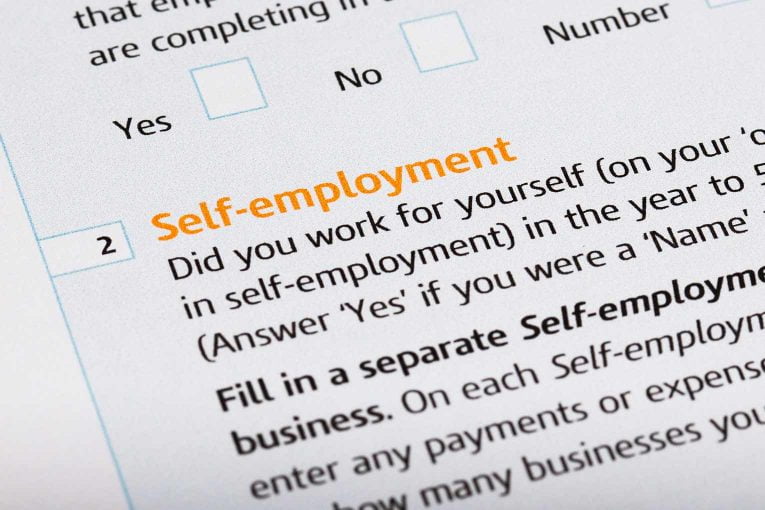
New research has found that 17% of self-employed workers in the UK have no savings savings net in times of financial crisis.
The study from protection insurer the Exeter and economics consultancy, Cebr revealed that a further 14% of these workers have less than £2,000 in savings.
Latest government figures show that over half of the five million self-employed workers in the UK have claimed for a grant through the government’s Self-Employment Income Support Scheme, with 2.7 million claims granted, worth a total of £7.8 billion.
Despite being exposed to financial vulnerabilities, just 9% of self-employed workers protect their income through insurance. In fact, figures show that 65% of the UK adult population do not have any form of protection insurance in place.
The research goes on to reveal that among those surveyed, 35% of self-employed workers do not save anything at all in a typical month. 39% of those aged between 35-44 years old said they saved nothing per month, the highest of any age group, followed by 38% of respondents aged 45-54 years old and 33% of over 55s.
Despite the low level of savings among the self-employed, 52% of respondents said they would rely on their savings if they suffered a loss of income. However, with 43% of those surveyed saving less than £50 per month, this raises concerns that few have seriously considered how long their savings would last in the face of an income shock.
Andy Chapman, CEO of protection the Exeter, said: “Self-employed and gig economy workers are a large part of the UK’s labour market, representing 15.3% of the workforce. However, despite the benefits which being self-employed can bring, this type of labour can pose risks to an individual’s financial situation if they are suddenly unable to work. Indeed, during the peak of the Covid-19 outbreak we saw many of these individuals face an income shortfall almost overnight as the UK went into lockdown.
“Half of self-employed workers in our survey said they would use their personal savings if they experienced a loss of income, despite a concerningly low level of savings among this group. However, what is perhaps more worrying is the significant level of underinsurance among this group, with just 9% of those surveyed saying they had income protection. Whilst no one wants to consider not being able to work, it has become apparent that having a financial safety net is no longer a nice to have.
“Advisers have a golden opportunity to kickstart conversations with their self-employed clients and raise awareness of income protection. Advisers are vital in shifting the way we view protection and play a critical role in narrowing the UK’s protection gap.”
