

The British Retail Consortium (BRC) has reported that, In the fourth quarter of 2021, the overall vacancy rate fell across Great Britain fell to 14.4%, 0.1 percentage points below the Q3 level. It was 0.7 percentage points higher than in the same point in 2020.
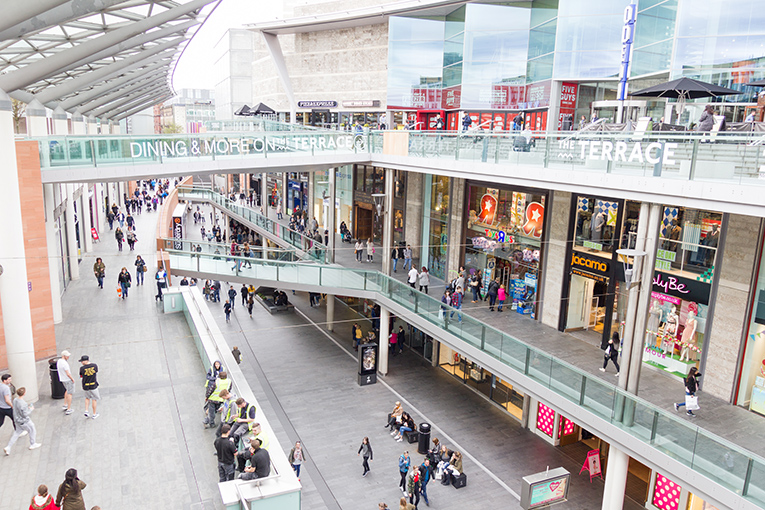
Shopping centre vacancies improved to 19.1% for Q4, a 0.3 percentage point improvement on Q3, but 2.0% higher than the same point in 2020.
Meanwhile, in the high street, vacancies improved slightly to 14.4% in Q4 – in line with the overall rate. Retail park vacancies remained at 11.3% in Q4 2021, making it the location with by far the lowest rate.
Helen Dickinson, chief executive of the British Retail Consortium, said: “The final quarter of 2021 offered the first glimmers of hope for Britain’s beleaguered shopping destinations, as the number of shuttered shops fell for the first time since the start of 2018.
“The lowest vacancy rates were seen in the South – where higher disposable income and greater business investment meant vacant storefronts were more quickly repurposed. Meanwhile, Scotland and the North continue to see much higher vacancy rates, with the Northeast at almost one in five shops closed. It remains to be seen how Omicron will have impacted the number of store closures, but given the third lockdown in England had little impact on the vacancy rate, we are hopeful that the trajectory will remain positive.
“However, with hybrid working unlikely to disappear any time soon, it will be difficult for vacancy rates to fully recover in our town and city centres.”
“Shuttered shops diminish the vibrancy of local high streets, costing jobs and damaging local communities. Business rates reform remains the most effective way of helping drive much needed investment to left-behind communities all over the UK.
“If the government is serious about its levelling up agenda, it must ensure that a cut to the rates burden features at the centre of its forthcoming White Paper. In the short-term, the government can address the regional imbalances in the system by scrapping downwards Transitional Relief, which effectively forced businesses outside London to provide a £600m subsidy to businesses in the capital between 2017 and 2020.”


