

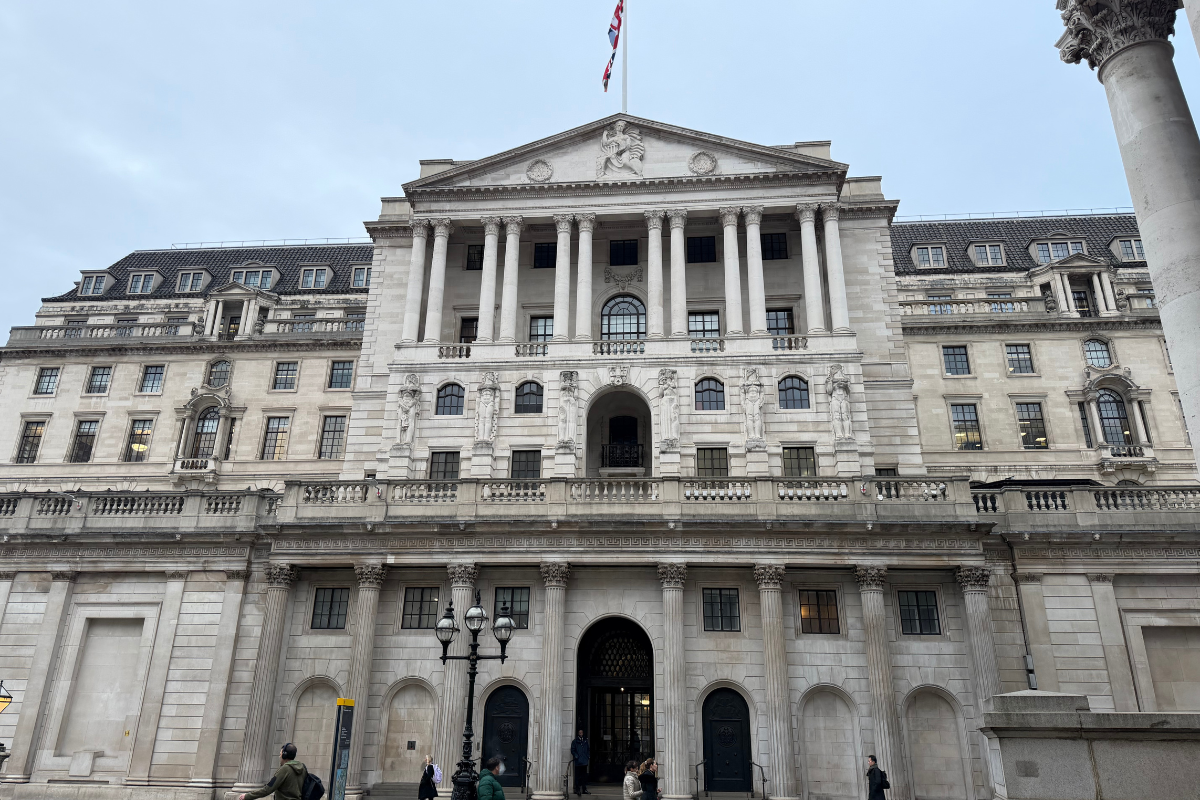
Demand for mortgages increased during the second quarter of the year, although lenders expect activity to slow over the next three months, according to the latest Credit Conditions Survey from the Bank of England.
Lenders reported that demand for both house purchase and remortgage lending increased in Q2, but expect demand for both to fall in the third quarter.
The availability of secured credit to households was broadly unchanged in Q2, following increases in the previous quarter. Looking ahead, lenders expect secured credit availability to increase over the next three months.
The survey also found that overall spreads on secured lending to households – relative to Bank Rate or the appropriate swap rate widened in Q2, and were expected to narrow in Q3.
Default rates on secured lending to households were also unchanged and are expected to remain stable over the coming quarter.
The Credit Conditions Survey was carried out between 26 May and 12 June 2026.
Cost of living takes a toll
Damien Burke, head of regulatory practice at independent banking and credit advisory consultancy Broadstone, said while consumer confidence and the economic outlook were beginning to improve at the start of the year, the conflict in Iran has dampened that trajectory.
He commented: “Lenders reported growing demand in mortgage and remortgage lending but are now expecting to see that decline as we head into the summer months.
“It demonstrates how concerns around affordability, with increases expected in both the cost of living and the cost of borrowing, can significantly impact market confidence and the real lives of consumers.”
The BoE report also showed overall demand for unsecured lending was unchanged in Q2, and was expected to be unchanged in Q3.
Within the overall figure, demand for credit card lending slightly decreased in Q2, and was expected to be unchanged in Q3, while demand for other unsecured lending was reported to have increased and was expected to decrease in Q3.
Lenders also reported that default rates for total unsecured lending increased in Q2, and were expected to increase in Q3.
Within this total figure, defaults for credit cards and other loans both increased in Q2. Defaults for credit cards were expected to increase and for other loans were expected to be unchanged in Q3.
Burke added: “The continued stability in unsecured lending demand demonstrates a more measured consumer backdrop, with households staying cautious about taking on additional debt as financial pressures remain front of mind.
“Lenders will be increasingly focused on gaining a wider understanding, therefore, of borrowers’ individual affordability so that they can continue to support demand in the market.
“This includes assessing affordability at the outset for both mortgage and consumer credit products, as well as through ongoing reviews.”


