

Flats in Britain have increased in value by an average of £394 per month over the past decade, the largest increase in cash terms of any property type, according to latest research from Halifax.
The average price of a flat has risen by almost £47,500 from £133,483 a decade ago to £180,799 today.
The 35% increase in the average price of a flat is closely followed by terraced houses (32%). Detached homes have recorded the smallest rise over the past decade (17%).
Flats or terraces were the best performers in all but two regions over the last decade – West Midlands (bungalows) and the South East (semi-detached).
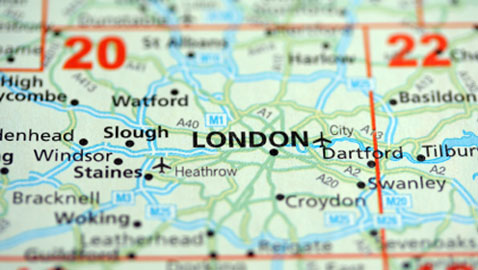
While flats have increased most in price nationally since 2003, much of this rise can be attributed to the performance of flat prices in London where flats represent a relatively high proportion of the property market, Halifax explained. Flats have outperformed all other property types in Greater London, East Anglia and Scotland.
Terraced homes were the best performing property type in a greater number of regions: six – the three regions of northern England (the North, North West and Yorkshire and the Humber), the East Midlands, Wales and the South West.
Terraced properties (73%) and flats (61%) recorded the biggest price rises during the four years prior to the peak of the housing market cycle in 2007. Detached homes (47%) and bungalows (48%) experienced the smallest increases.
All property types recorded substantial price falls during the housing market downturn between 2007 and 2009, but bungalows fared best. During this period, the average price of a bungalow fell by 21% to £180,271. Terraced houses (-33%) and flats (-32%) were the worst performers.
The tightening in credit criteria and the reduction in mortgage availability following the onset of the financial crisis made it more difficult for first-time buyers in particular, to enter the market. This helps to explain why terraced houses and flats saw the largest price falls during 2007-2009 as these property types are very popular with first-time buyers, accounting for around 60% of all first-time buyers purchases. In contrast, circumstances for first-time buyers were significantly easier during 2003-2007 with a much greater availability of high loan to value mortgages, which helped to drive up prices for terraces and flats significantly in this period.
Prices have improved across all property types since 2009 with flats recording the largest increase between 2009 and 2013 (24%) followed by terraced properties (14%). Bungalows have seen the smallest rise (7%), closely followed by semis (8%) and detached homes (8%). The increase in flat prices nationally has been led by London (26%) with a more subdued performance elsewhere in the country.
There has been an increase in the number of first-time buyers since 2010 but a modest decline in the number of those moving home. This is reflected in a bigger rise in prices for those property types that are most popular with first-time buyers – flats and terraces – whilst those types that are more popular with homemovers – semis, detached homes and bungalows – have increased more slowly in price.
Martin Ellis, housing economist at Halifax, said: “While prices have risen for all property types during the past there have been a number of distinct periods of performance in the last 10 years. Bungalows and detached properties fared best during the downturn between 2007 and 2009 as these property types are less popular with first-time buyers who were particularly badly affected by the tightening in mortgage credit criteria and availability at the height of the financial crisis.
“During the recovery since 2009 larger property types such as detached homes, semis and bungalows have underperformed flats and terraces. The demand for such properties has been partly constrained by a widespread lack of equity amongst homeowners who bought for the first time around the peak in the market and who are therefore finding it difficult to finance a move to a larger home.”


