

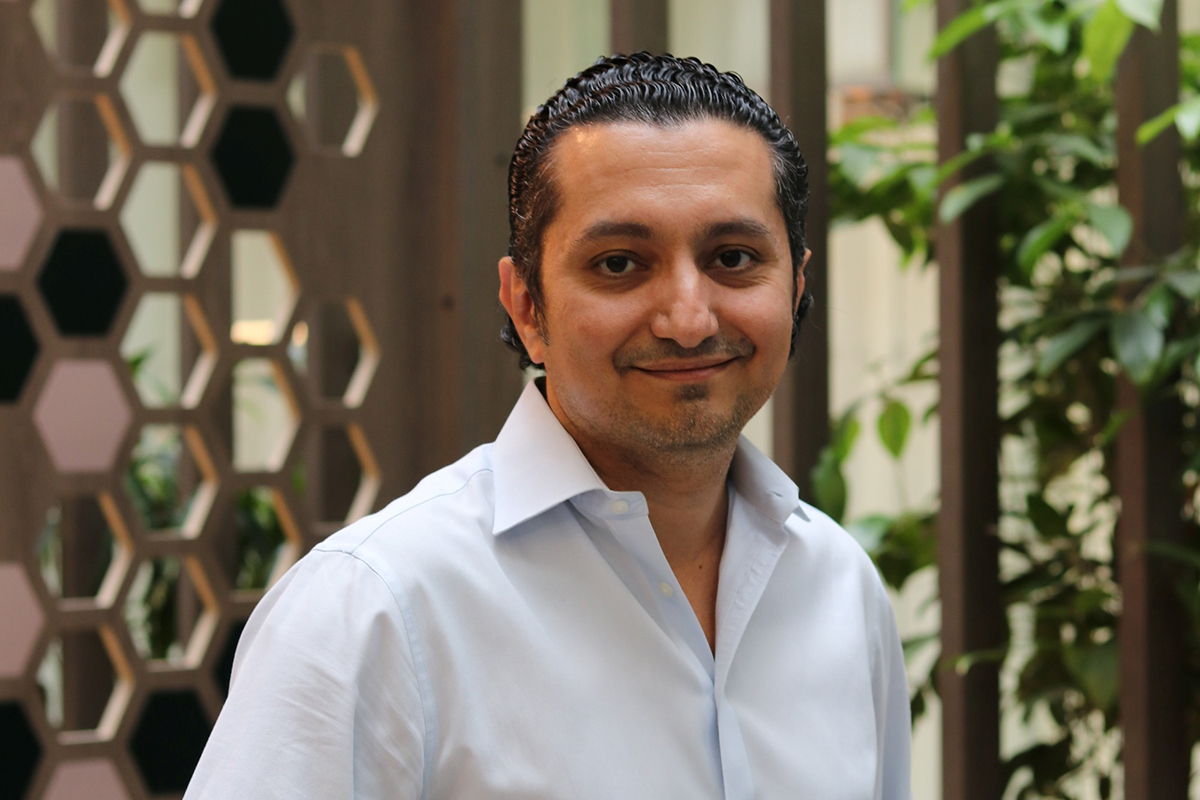
Mortgage brokers will remain central to the homebuying process despite the rise of artificial intelligence, but firms that fail to adapt risk being left behind, according to OneDome founder and chief executive Babek Ismayil.
In a commentary responding to recent debate around AI’s impact on the mortgage advice sector, Ismayil argued that the industry is focusing on the wrong question by asking whether technology will replace advisers.
Instead, he said the real disruption opportunity lies in transforming the wider homebuying process rather than automating mortgage advice in isolation.
Ismayil said: “AI will not replace mortgage brokers. But it will replace firms that fail to adapt – firms that continue to think about mortgages in isolation rather than the broader customer journey.
“The future of mortgage advice is AI-enabled, not AI-replaced.”
He acknowledged that artificial intelligence would significantly reshape operating models across the mortgage sector, making advisers more productive and improving efficiencies.
However, he argued that previous attempts to disrupt the intermediary market through technology alone had failed because they misunderstood what consumers actually value during the property transaction process.
Despite the growth of comparison websites and direct-to-lender channels over the past decade, intermediaries now account for more than 90% of UK mortgage transactions.
According to Ismayil, borrowers are motivated less by securing the cheapest rate and more by achieving certainty and successfully completing a move.
He said: “People want to buy a home – not manage a mortgage broker, conveyancer, surveyor, insurer and estate agent separately.
“Nobody wakes up excited about their loan-to-value ratio. Nobody lies awake thinking about fixed versus tracker rates for their own sake. People lie awake wondering whether their offer will be accepted and whether they will actually be moving in before Christmas.”
Ismayil described the current homebuying system as fragmented, with estate agents, lenders, conveyancers, surveyors and Land Registry processes all operating independently.
He argued that speeding up mortgage processing alone would not solve the wider challenges facing buyers.
“AI that makes the mortgage node 30% faster does not fix this. It optimises one piece of a broken system and leaves everything else untouched,” he said.
Instead, Ismayil said the market was beginning to move towards what he described as “Integrated Homebuying” – a connected process bringing together financing, legal work, surveys, insurance and transaction management within a single customer journey.
He said firms that succeed over the next decade would be those able to orchestrate the full homebuying experience rather than simply originating mortgages.
Ismayil pointed to OneDome’s own HomeBuyer Service as an example of this approach, combining multiple stages of the transaction process into a single platform.
While he said AI would play an important role in enabling this model, he argued that homebuying remained too emotional and operationally complex for full automation.
He said: “Buying a home is not simply a data problem. It is emotional, legal and operational. It involves multiple parties, changing circumstances, trust, reassurance and the kind of coordination and problem-solving that resists full automation.
“Anyone who has bought a home knows this instinctively: the challenge is rarely finding a mortgage. The challenge is getting the move done.”
Ismayil added that the firms most likely to succeed would be those combining human expertise with AI-driven efficiencies.
“The winners of the next decade will not resist AI, nor will they try to remove humans from the equation entirely,” he said.
“They will combine human expertise, AI capability and Integrated Homebuying – because ultimately, the biggest opportunity is not disrupting mortgages.
“It is reinventing homebuying itself.”
