

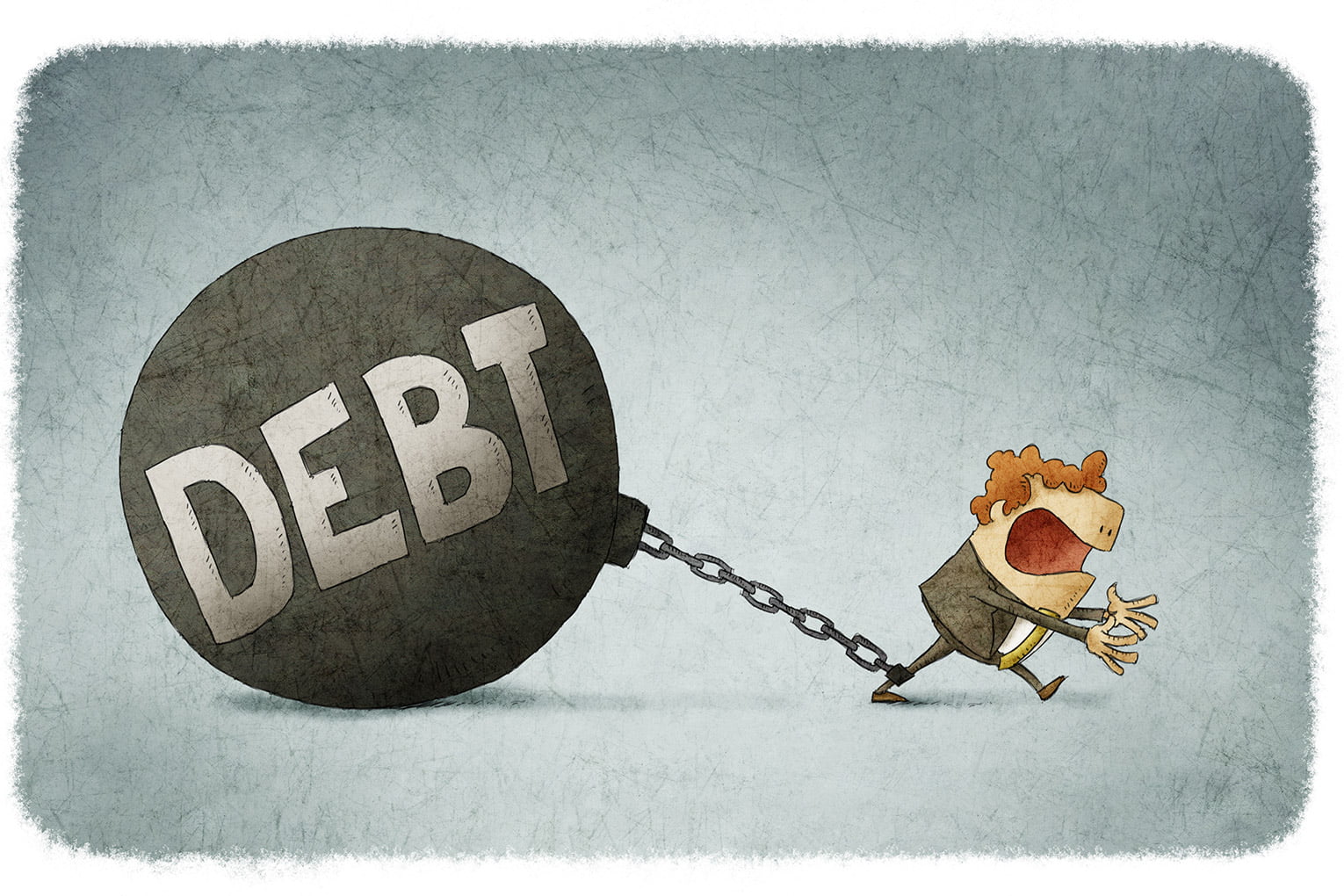
Research carried out by Debt Advisory Centre has revealed how the growing numbers of people whose incomes vary month to month can struggle to pay essential bills and meet their debt repayments.
11 million people in Britain have a job where their income is variable, this includes those on zero hours contracts, variable hours contracts, those whose overtime hours fluctuate and those who are self-employed.
Overall, just over one in five adults in the UK say that their earnings can vary week to week and month to month, but this rises to four in 10 (42%) of young people aged 18-24.
For those whose incomes vary, making regular monthly payments such as the rent or mortgage, credit card repayments and utilities can be a struggle. Of those who have a variable income, 44% find it difficult to keep up with bills such as rent, utilities and council tax and a similar number (41%) also struggle to keep up with regular credit commitments such as credit card and loan repayments.
London, Yorkshire, Scotland and the East Midlands are the regions with the highest percentage of those who have a variable income, as a result many struggle with their monthly payments. In contrast, Northern Ireland has the fewest number of people who have a variable income. Of those who have a variable income in Northern Ireland, fewer struggle to pay their monthly bills.
| Regions | % of those with a variable income | % of those who struggle with essential bills | % of those who struggle with credit repayments |
| London | 27% | 55% | 49% |
| Yorkshire | 27% | 40% | 35% |
| East Midlands | 27% | 46% | 36% |
| Scotland | 26% | 51% | 47% |
| Northern Ireland | 16% | 27% | 29% |
Melanie Taylor from Debt Advisory Centre said: “The flexible workforce is on the rise, with more people becoming self-employed and an increase in zero-hours contracts.
“Whilst employers may love the flexibility this type of working brings, for the employees the end result can be financial hardship. Budgeting for essential bills and debt repayments becomes much harder when you don’t know what you’ll bring home next week or next month.
“Ideally, people need to put money aside as savings in the good months to tide them over during the learner times – but this isn’t always possible.
”Even worse, we’ve seen people resort to using short term credit to get them through in leaner times, which often just stores up a bigger problem further down the line.”


