

Yorkshire Building Society has called for a fundamental rethink of housing policy, arguing that more than 2.5 million homes could be created by repurposing existing land and property rather than relying solely on new build targets.
The mutual said families, first-time-buyers and communities affected by long-term empty properties need quicker solutions than the current development model can deliver.
While the government is targeting 1.5 million new homes, the Society’s analysis suggests that over 2.5 million properties could be unlocked by bringing existing spaces back into use, starting with the 748,000 homes it says are currently empty.
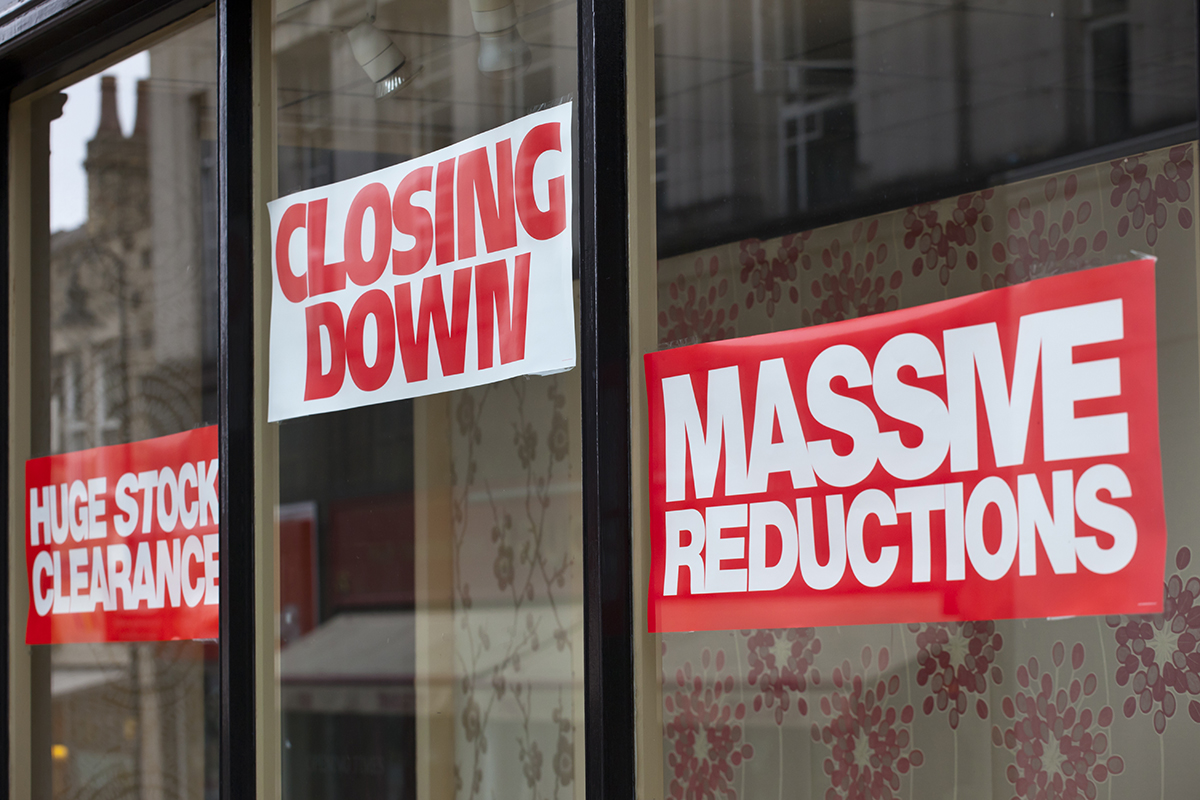
Drawing on data from property analytics platform CoStar and other sources, Yorkshire Building Society estimates that empty commercial units alone could provide 277,046 homes. This includes 89,354 from mothballed offices, 36,923 from disused shops and 150,769 from vacant factories and warehouses.
Brownfield sites such as former railway lines could accommodate up to 1.48 million homes, according to the research, while historic buildings could yield up to 615,000. Disused government and NHS sites are estimated to have capacity for up to 130,000 homes, and empty pubs and surplus car parks a further 116,603.
Tom Simpson, managing director of homes at Yorkshire Building Society, said: “The current housebuilding target is ambitious, but unlikely to meet urgent demand from families and first-time buyers for quality, affordable homes.

“We need smarter, faster solutions that make better use of what we already have and reinvigorate our communities at the same time.
“Every £1 invested in bringing empty homes back into use adds £4 to local economies. It revitalises communities and helps tackle issues like crime – making this an ideal starting point for a renewed housing strategy.
“New builds cost hundreds of thousands of pounds per unit, while refurbishing existing homes can cost as little as £20,000. It’s also quicker and better for the environment.”
For mortgage professionals, the proposals raise questions about how funding models might need to evolve if policy were to tilt more decisively towards refurbishment and conversion. A large-scale push to repurpose offices, retail and industrial buildings would be likely to increase demand for specialist lending, including development finance and refurbishment products, as well as standard residential mortgages for end purchasers.
However, the Society acknowledged that planning delays and restrictive change-of-use rules continue to slow progress, with projects often stalled for six to 12 months.
Simpson said: “Planning rules must evolve further to unlock the potential of disused offices, shops, industrial buildings, empty homes and public sites, disused historic buildings, car parks and land. Leaving space idle harms high streets and local economies.
“Bringing homes closer to high streets boosts footfall, supports local businesses, generates local authority revenue and creates safer, more vibrant communities.”
The Society’s policy paper calls for a national strategy focused on repurposing existing assets, led by an independent housing commission, alongside fresh grants and incentives to support regeneration and further reform of planning and change-of-use regulations.
With affordability constraints and supply shortages continuing to weigh on the market, the debate over how best to meet housing need is likely to intensify. For lenders and intermediaries, any shift in direction could have material implications for product design, underwriting and distribution over the coming years.



I wholeheartedly agree with this article. Please continue to lobby the government. Most people don’t want to be dumped in new housing with no infrastructure.