

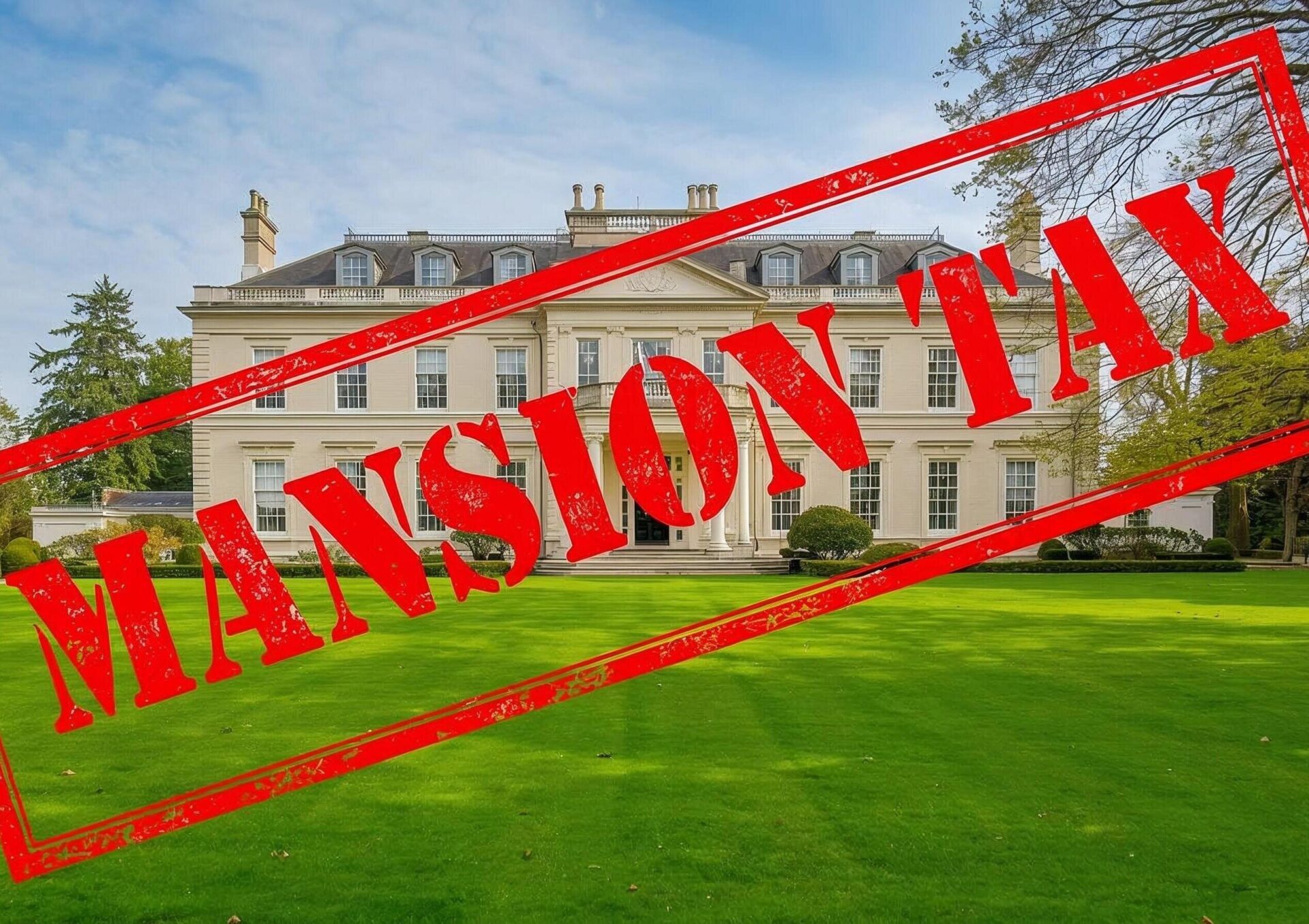
Scotland’s latest Budget has confirmed the creation of additional upper council tax bands for the most expensive homes, a move that has quickly been labelled a Scottish “mansion tax” by critics.
From 2028, two new bands will be introduced by splitting the current top bands, G and H, into four. The Scottish government has allocated £5 million for a targeted revaluation exercise to identify which properties will fall into the new categories.
The changes are expected to affect owners of the most valuable homes, particularly in Edinburgh, which accounts for more than half of all £1m-plus property sales in Scotland.
Data from Registers of Scotland shows there were 391 sales above the £1 million threshold in 2024-25, underlining how concentrated the high-end market has become in parts of the capital.
Ministers have ruled out a wider revaluation of the council tax system, meaning the majority of homes will continue to be taxed based on their estimated 1991 value, despite significant price growth over the past three decades.
A full rebanding has previously been dismissed as too disruptive, with officials estimating that around half of all properties would change band.
The property measures sit alongside wider tax changes announced in the Budget. Income tax thresholds for lower and middle earners will rise by 7.4%, while higher-rate thresholds will be frozen, increasing the overall tax burden on higher earners. This group overlaps significantly with owners of prime residential property.
MORE TAX MISERY

Sarah Coles, head of personal finance at Hargreaves Lansdown, said: “The Scottish government is keen that those with the broadest shoulders carry the biggest burden, but the threshold freezes for higher earners pile more tax misery on an already hefty burden.
“On top of this, it is adding two new council tax bands by 2028, so anyone living in a property in Scotland worth £1 million or more will pay more. This will only affect those in pricey properties, but for those who bought them at much lower prices – and now find themselves property rich and cash poor – it could make everyday life far more of a stretch.”
Concerns have also been raised about the wider impact of the Budget on housing supply and mobility.
“The Scottish Government are yet again failing to tackle the housing emergency.”

Timothy Douglas, head of policy and campaigns at Propertymark, said: “Despite a multi-year commitment to affordable housing supply and increased investment in acquisitions and homelessness prevention, it is surprising that the Scottish Government are yet again failing to tackle the housing emergency, and the Budget misses an important opportunity to address the growing tax burden on housing.
“Land and Buildings Transaction Tax continues to act as a barrier to people moving home and to investment in the private rented sector, which can help bring down the cost of renting.”
MORE COUNCIL TAX
And he added: “The Housing Investment Task Force was clear that property tax should be reviewed to support housing supply and economic growth, yet this has not been meaningfully addressed, and additional levels of council tax brings yet more disparity in pricing and costs across the property sector.
“At a time of acute housing pressure, Scotland needs policies that encourage mobility and investment across all tenures. Without this focus, the current property tax regime does not encourage people to move, right size or relocate for work, while also deterring landlords from investing in much-needed rented homes.
“Furthermore, the Scottish Government miss out on the economic boost through increased transactions and spending in the wider economy.”


