

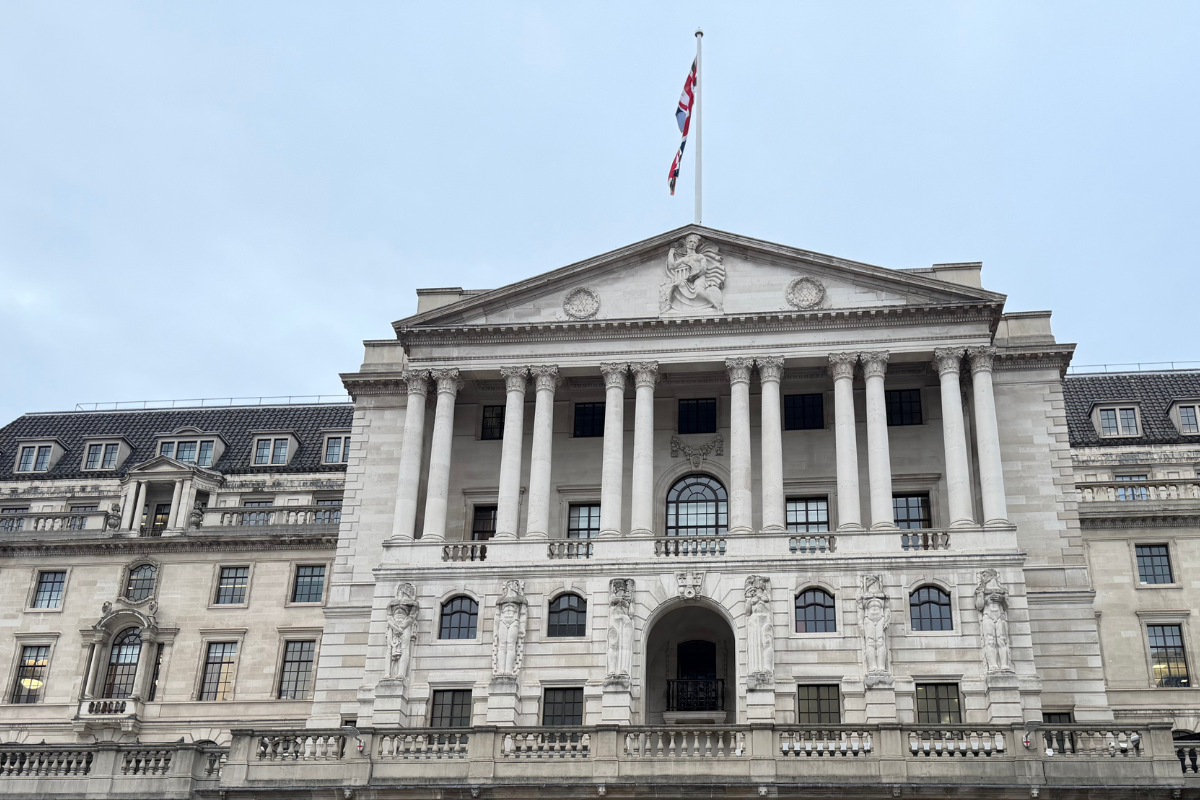
Mortgage borrowing slowed at the start of the year with approvals for house purchases falling back and net lending dipping below its recent trend.
Figures published by the Bank of England show net borrowing of mortgage debt fell to £4.1bn in January, down from £4.5bn in December and below the previous six-month average of £4.5bn. The annual growth rate of mortgage lending edged down to 3.3%, from 3.4%.
Net mortgage approvals for house purchases – a key indicator of future lending – dropped to 60,000 in January from 61,000 in December, beneath the recent six-month average of around 64,100. Approvals for remortgaging also eased slightly to 38,100, compared with 38,400 the previous month.
Gross secured lending rose marginally to £23.4bn in January, up from £23.0bn in December, while repayments increased to £19.1bn.
BORROWING COSTS
The effective rate on newly drawn mortgages fell to 4.09% in January from 4.15% in December. The rate on the outstanding stock of mortgages declined to 3.90%, from 3.92%.

Consumer credit growth remained steady. Net borrowing rose to £1.8bn in January, in line with the recent average. Credit card borrowing increased to £0.9bn, while other forms of consumer credit, including car finance and personal loans, held at £0.9bn.
STILL GROWING

Rob Clifford, chief executive of Stonebridge, said: “The headlines here talk of declines but for adviser businesses the main takeaway has to be that the mortgage market is still growing at the front end.
“Net mortgage approvals may have declined slightly but the number and value of mortgage approvals, and the amount lent, went up in January year-on-year, albeit not by a great deal.
“For advisers, this should imply the market is pretty robust even though there has been a hint of some weaknesses on the residential scene, with homes taking longer to sell.
“All eyes will be on the next base rate decision to give some indication of how resilient the market will be for the remainder of this year.”
NOT THE FULL STORY

Colin Bell, founder and COO of Perenna, said: “A fall in approvals is a reminder that lower inflation and growing expectations of rate cuts don’t automatically translate into easier mortgage access.
“It’s important to remember that this data doesn’t tell the full story. We can see what’s happening to borrowers with a credit score – but what about those without one? A sizeable cohort, around one in 10 people, are effectively locked out of mainstream mortgage options because they don’t have a score at all.
“If you have a poor score, the market narrows – fewer lenders, higher rates, larger deposit requirements, tougher affordability stress tests. But if you have no score, you may not even get to that stage. You’re screened out before the conversation really starts.
That’s why even small moves in approvals can be misleading. They can mask a more pressing, structural problem in how access to mortgages is assessed and granted.”
NO CAUSE FOR ALARM

Richard Pike, sales and marketing director at Phoebus Software, added: “A drop in borrowing at the start of the year is not entirely unexpected after such a strong finish to 2025 and isn’t cause for alarm.
“While there’s no doubt that households are still feeling the economic squeeze and uncertainty is affecting confidence, there are positive signs for the housing and mortgage market, with more product choice and improving affordability.
“Mortgage pricing will be pivotal to activity in the coming months and that will depend on what happens with the Bank of England base rate. While inflation did seem to be slowly heading in the right direction, conflict escalation in the Middle East will once again bring global economics more directly into play and could put pressure on a recovering UK market and have a knock-on effect on UK consumers and businesses alike.”
LACK OF SUPPORT

Tomer Aboody, director of specialist lender MT Finance, said: “As net mortgage approvals reduce again in January, the market is still feeling the hit from the Chancellor’s Budget along with the lack of constant support for the market.
“Some encouragement from the government would be timely, perhaps in the form of reducing or reforming stamp duty, encouraging more people to transact.
“While interest rate reductions are helpful in encouraging activity, on their own they do not seem to be enough to boost transaction numbers.”
MIDDLE EAST UNCERTAINTY

Simon Gammon, managing partner, Knight Frank Finance, said: “Mortgage approvals fell in January, reflecting the economic uncertainty that lingered after the November Budget and weighed on borrower confidence.
“However, leading indicators published over the past month, including asking prices, suggest activity recovered into February as borrowing costs eased.
“The outlook for activity and rates appeared relatively benign only last week, but conflict in the Middle East has introduced fresh uncertainty. Any spike in oil prices could fuel global inflation or, at the very least, prompt central banks, including the Bank of England, to delay further rate cuts until the outlook becomes clearer.”
RESILIENT MARKET

Mark Harris, chief executive of mortgage broker SPF Private Clients, said: “Although mortgage approvals dipped again in January, there is an underlying resilience to the housing market which is starting to make itself felt now that the Budget is out of the way.
“The effective interest rate paid on new mortgages fell to 4.09 per cent and the rate on the outstanding stock of mortgages also fell to 3.9 per cent, suggesting that affordability is continuing to ease.
“As we move towards spring, the good news for borrowers is that lenders are keen to lend and have the funds available to do so. Many of the big lenders have reduced their mortgage rates and while some have increased pricing, we expect rates to jump around, rather than significantly move one way or another.
“Remortgaging numbers slipped slightly, suggesting that borrowers coming off low rates are mostly still shopping around for the best rate possible rather than opting for the ease of sticking with their existing lender.”
STUCK IN A LULL

Ian Futcher, financial planner at Quilter, said: “The Bank of England’s latest Money and Credit statistics reveal a housing market that’s stuck in a lull.
“These statistics, along with data out from Nationwide this morning that showed only a slight uptick in house prices, suggest most prospective buyers have kept their plans to move on hold as they await further downward pressure on mortgage rates.
“Affordability has been stretched considerably for several years now, but there are a few glimmers of hope for buyers.
“We are beginning to see lenders offer slightly more competitive rates as they vie for business and price in further BoE rate cuts, which has played out in today’s data with the effective rate on newly drawn mortgages lowering to 4.09% in January down from 4.15% in December.
“Should expectations of further rate cuts continue as we move through the year, mortgage rates should gradually lower. If this is the case, we could see buyer confidence lift, affordability improve, and more people look to move as a result.”


