

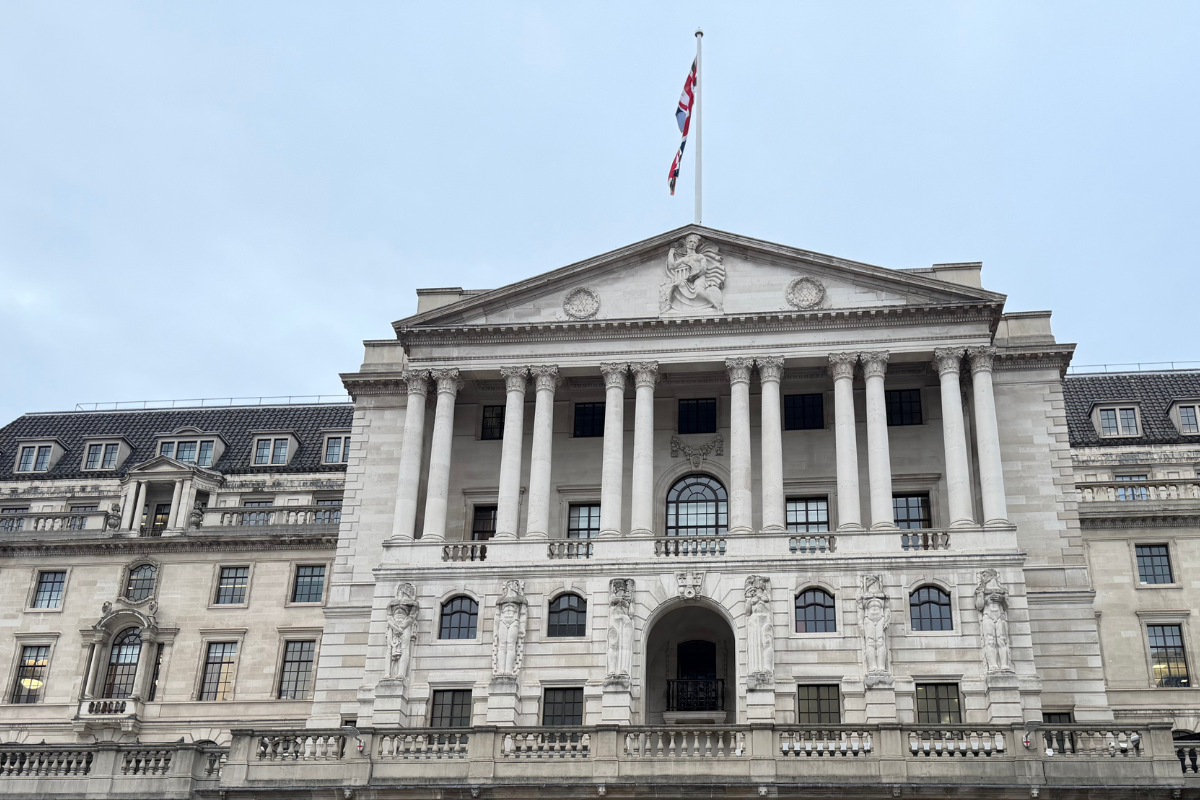
Mortgage availability increased in the first quarter of 2026 as lenders loosened supply and trimmed pricing even as arrears edged higher, according to the latest Bank of England Credit Conditions Survey.
Lenders reported that the availability of secured credit to households rose in the three months to the end of February, with a further increase expected in Q2. Unsecured credit availability remained unchanged over the period but is also forecast to rise in the months ahead.
On the demand side, appetite for house purchase lending remained flat in Q1, reflecting ongoing affordability pressures and market uncertainty.
However, lenders reported a pickup in remortgaging demand, with both segments expected to strengthen in Q2.
The survey also pointed to improving pricing conditions in the mortgage market. Spreads on secured lending narrowed relative to Bank Rate and swap rates during Q1, signalling increased competition among lenders. Pricing is expected to stabilise over the coming months.
DEFAULT RATES
This easing in mortgage pricing comes despite signs of growing borrower stress. Lenders reported a slight increase in default rates on secured loans in Q1, although these are expected to fall modestly in Q2. Losses given default remained unchanged.
Elsewhere, unsecured lending conditions painted a more cautious picture. While overall demand remained flat, defaults increased across both credit cards and other forms of borrowing and are expected to rise further.
Lenders also widened spreads on unsecured products and extended interest-free periods on credit cards, suggesting a more risk-sensitive approach to consumer lending.
IMPROVING OUTLOOK

Damien Burke, head of regulatory practice at consultancy Broadstone, said: “The latest Credit Conditions Survey suggests a cautiously improving outlook for the mortgage market at the start of the year, with lenders expecting demand to pick up in the coming months, particularly for house purchases and remortgaging.
“This reflects a degree of pent-up demand as home buyers awaited lower interest rates and a more certain fiscal landscape.
“However, the timing of the survey is important given it was conducted around the beginning of the conflict in the Middle East. The longer uncertainty around the wider global economic consequences lingers, the bigger the impact on borrower confidence is likely to be.”
AFFORDABILITY RISK
And he added: “The fall-out from the Ukraine conflict on inflation and mortgage rates remains fresh in the minds of households and even short-term disruption to supply chains can have a long-term impact on the cost of goods.
“This further amplifies the need for understanding consumer’s individual affordability when assessing for credit products and the benefit of ongoing assessment.
“The continued stability in unsecured lending demand also highlights a more measured consumer backdrop, with households remaining cautious about taking on additional debt despite some easing in financial pressures.”


