

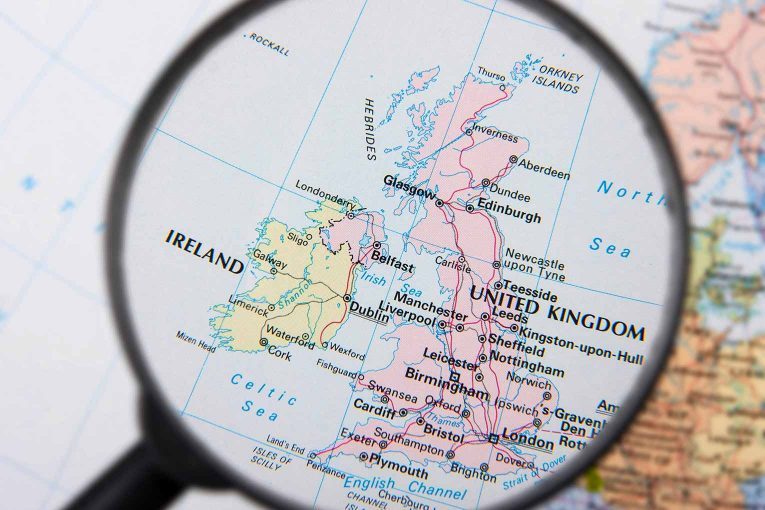
The South West city of Plymouth topped Lloyds’ latest ranking of housing hot spots, with average property values rising by 12.6% over the past year.
The increase takes the average home value in the city to £278,808, up by £31,229 compared with 2024.
Stafford and Wigan also recorded double-digit growth, with average values rising by 12.0% and 10.5% respectively. Lloyds’ analysis, based on its own mortgage data, suggests that strong price growth has been spread across a wide range of regions rather than being concentrated in any single part of the country.
Yorkshire and The Humber featured twice in the top 10 locations for house price growth. Wakefield saw values rise by 8.7%, while Hull recorded growth of 6.5%. Hull has recently been named a 2026 “Best of the World” destination by National Geographic.
At the other end of the scale, the South East dominated the list of towns where prices fell or grew most slowly. Crawley saw the sharpest decline, with average home values down by 8.9%, followed by High Wycombe, where prices fell by 7.4%.
Chester also recorded a fall of 6.4%, despite the North West posting overall growth of 3.7%. Cardiff saw prices drop by 5.2%, even though average home values across Wales rose by 2.3% over the year.
London stood out as the only region to see prices stall, with the average value of a home dipping by 0.1%. Despite the slight fall, the capital remains the most expensive region in the UK, with an average property value of £574,514.
Amanda Bryden, head of mortgages at Lloyds, said: “Our customers’ dream homes are found in pockets around the UK and we’ve supported thousands of people to take their next home buying step this year – whether they’re getting on the ladder for the first time or moving up.
“We’ve seen significant change in property values with some areas rising sharply, while others have cooled.
“If you’ve got your heart set on a particular location, it’s worth taking time out to do some research and see what’s happening with prices there, as swings in value at a local level can make a big difference to how much you may need for a deposit, stamp duty or wider moving costs.
“If you’re open to exploring, you might find places where your money goes further. Northern regions and Scotland are still generally more affordable than the south of England, with a huge amount to offer in terms of culture and history, alongside some of the most beautiful parts of the UK countryside.
“While house prices play a role, choosing where to live is also about finding a place that feels right – a community you connect with, a commute that works for you, and a lifestyle that fits you.
“When you’re thinking about house hunting, getting mortgage advice early will help you to plan and setting a realistic budget, alongside factoring in extra costs like stamp duty and legal fees, will help make the process less daunting and keep your dream of homeownership on track.”
REGIONAL GROWTH
Across the UK, most regions recorded annual growth in house prices. Northern Ireland led the way, with values rising by 5.8%, followed by Scotland and the North West, both at 3.7%.
Yorkshire and The Humber also performed strongly, with prices up by 3.6%, while the South West, East Midlands, Wales and the East of England recorded growth of between 2.2% and 2.6%.
The West Midlands and North East saw more modest increases, while the South East recorded growth of 0.8%.
Across the UK as a whole, average house prices rose by 3.7% over the year, increasing from £352,124 to £365,110.


