

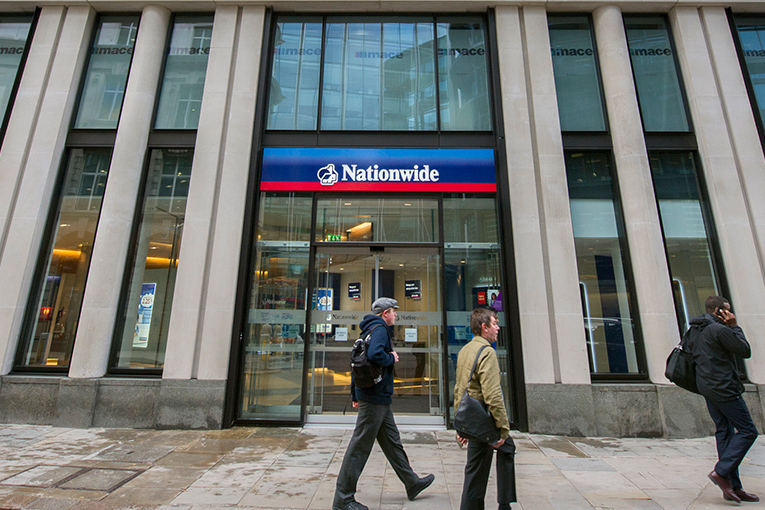
UK house price growth slowed in November according to the latest Nationwide House Price Index, though modest monthly gains suggest the market remains stable despite higher borrowing costs and weakening economic sentiment.
Annual price growth eased to 1.8%, down from 2.4% in October. On a seasonally adjusted basis, prices rose 0.3% month on month, compared with a 0.2% increase the previous month. The average UK home now costs £272,998, up from £272,226 in October.
Robert Gardner, Nationwide’s chief economist, said the figures point to a market that has “remained fairly stable in recent months”, with house prices rising at a steady pace and mortgage approvals holding close to pre-pandemic levels.
“This performance indicates resilience.”
He added: “Against a backdrop of subdued consumer confidence and signs of weakening in the labour market, this performance indicates resilience.
“Mortgage rates are more than double the level they were before Covid struck and house prices are close to all-time highs.”
BUDGET IMPACT

Gardner said the property tax changes announced in the Budget are unlikely to have a significant effect on the wider market.
The high-value council tax surcharge – due to take effect in April 2028 – will apply to fewer than 1% of homes in England and around 3% in London.
However, he warned that higher taxes on property income could weigh on rental supply. “Rental supply has been constrained for some time, with the potential for this to maintain upward pressure on rental growth, which has been running at all-time highs.”
“The ratio of household debt to disposable income is at its lowest for two decades.”
Looking ahead, Nationwide expects affordability to improve gradually if wage growth continues to outpace house price growth. Borrowing costs may ease further if the Bank of England cuts rates in the coming quarters.
“This should support buyer demand, especially since household balance sheets are strong,” Gardner said. “In aggregate, the ratio of household debt to disposable income is at its lowest for two decades.”
INDUSTRY REACTION

Tomer Aboody, director of specialist lender MT Finance, said: “The housing market is the backbone of the UK economy, and even through the tough times with a looming Budget that was feared to have the potential to be hugely damaging, we are seeing a resilient market with buyers and sellers maintaining activity, albeit at a slower pace.
“The high cost of moving is still there, however, and putting off many from doing so, choosing to stay put and improve existing homes instead.
“Stamp duty in particular is a barrier to mobility, and with the Chancellor missing an opportunity to reduce or reform it in her Budget, the hope is for more interest rate reductions in the new year to encourage transactions and to enable the housing market to function more effectively.”
FALLING SWAP RATES

Mark Harris, chief executive of mortgage broker SPF Private Clients, added: “While the market has been a little quieter as some adopted a ‘wait and see’ approach, lenders have remained keen to lend, with funds available to do so.
“Falling Swap rates, which underpin the pricing of fixed-rate mortgages, have given added impetus to reduce rates and drum up business at a time when there has been less of it around. “
He added: “With talk of another base-rate reduction this month, borrowers may be tempted to hold on in the hope of cheaper rates to come but those concerned about budgeting and rate rises might wish to consider locking into a cheaper rate now several months ahead of when they might need it.
“Then, when they come to take out the mortgage, if rates have fallen further, their broker should help you move onto a cheaper deal; if rates have risen, they will be glad they locked in when they did.”
TREADING WATER

Karen Noye, mortgage expert at Quilter, said: “This reflects a market that has been treading water. Most of November was dominated by budget rumours and many buyers simply waited to see what the Chancellor would do.
“The confirmation of a mansion tax will matter most to the top end, but the speculation alone about what might have appeared in the budget had already stalled decisions.
“With the budget out of the way, the focus now shifts back to interest rates. Inflation is easing and markets think a December rate cut is a possibility.”
FIRST-TIME BUYERS
And she added: “Even if the Bank of England holds off until the new year, expectations of lower rates have already fed into swaps and lenders have started to trim fixed-rate mortgages. Any fall in borrowing costs is crucial for first time buyers who are still facing the toughest affordability conditions in years.
“Overall, this is still a market that is stable but subdued. The removal of budget uncertainty helps, but buyers will only return in greater numbers if mortgage rates continue to drift down.
“If inflation keeps falling and lenders sharpen pricing further, we could see activity pick up in the new year, but a rapid rebound is unlikely.”


