

Falling profitability in the property flipping market is reshaping opportunities for mortgage brokers as higher stamp duty costs and tighter margins reduce investor appetite.
The number of homes bought and resold within 12 months has halved over the past decade, dropping from 21,520 in 2016 to 10,570 in 2025.
Flips now account for just 1.5% of all transactions across England and Wales, the lowest level in more than 10 years.
The decline is being driven by a sharp erosion in returns. Average post-stamp duty profit has fallen from £36,500 in 2015 to £16,390 in 2025, while stamp duty now absorbs 43% of gross profit, equivalent to around £12,400 per transaction.
CLIENT BEHAVIOUR
Fewer investors are pursuing short-term flip strategies, particularly in higher-value Southern markets, while those still active are becoming more selective on price, location and exit.
The data highlights a growing divide. In the South of England, post-SDLT profits have fallen sharply, with the South West down more than 80% since 2015 and London also seeing significant compression.
But lower-value regional markets are holding up better. The North East is now the strongest-performing region, with profits after stamp duty rising by 27% over the same period, supported by lower entry costs and stronger relative house price growth.
This is feeding through into where brokers are seeing demand. Properties purchased below £100,000 were the most likely to deliver a profit in 2025, with 86% doing so and average returns of 45.8%. At the top end, just 28% of properties above £350,000 generated a profit, with returns turning negative.
LONGER-TERM STRATEGY
As a result, brokers are likely to see a continued shift towards lower-value investment lending, regional opportunities, and clients prioritising yield and longer-term strategies over quick-turn refurbishments.
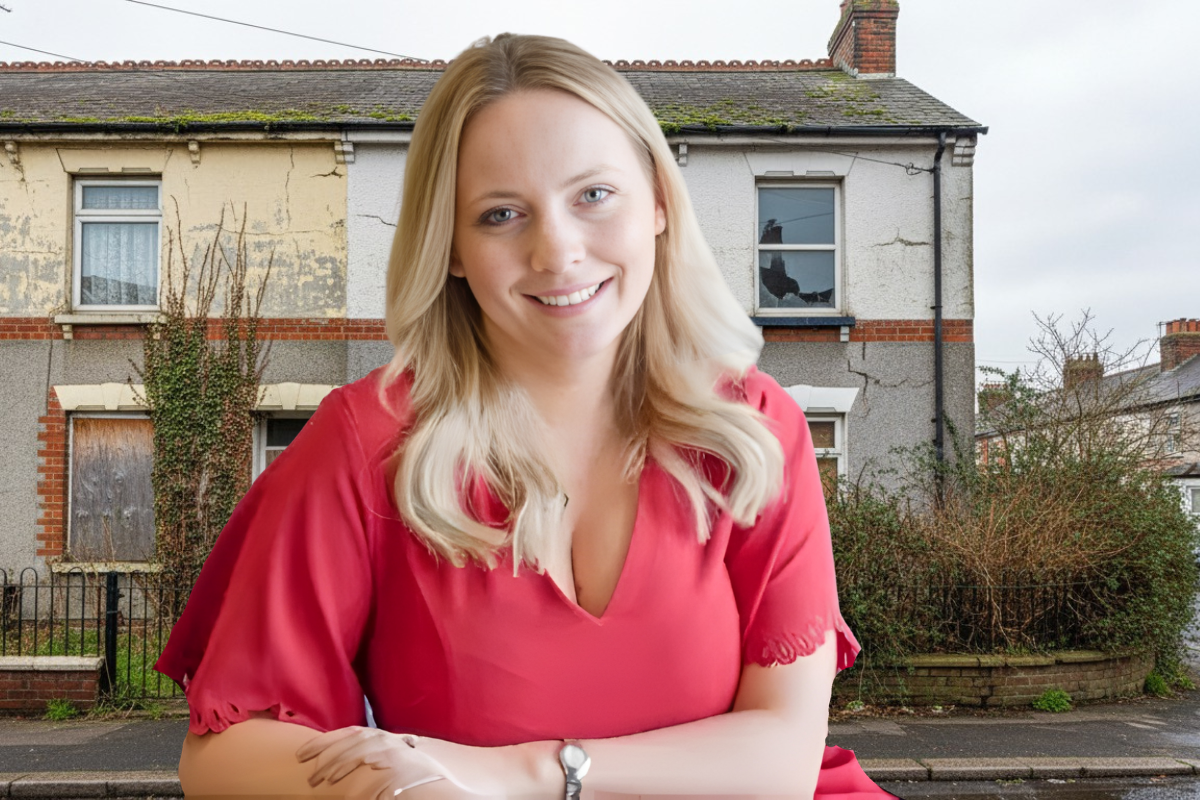
Aneisha Beveridge (main picture, inset), Head of Research at Hamptons, said: “Flipping is no longer the profitable venture it once was. There was a time when rundown properties could be bought cheaply, refurbished, and resold at a healthy margin. Today, however, second home stamp duty absorbs nearly half of all gross profits, significantly eroding returns.
“The surcharge was not primarily intended to penalise ‘house flipping’; its primary aim was to support first-time buyers. While it has largely succeeded in that goal, it has left flipping unviable across much of the South of England. These projects deliver much-needed move-in-ready homes, sparing buyers the financial risks and expertise to undertake major works themselves.”
FALLING HOUSE PRICES
And she added: “But stamp duty is only part of the challenge. Falling house prices across many Southern markets have squeezed returns further, while the cost of materials and labour have risen sharply since the pandemic. Even before factoring in stamp duty, refurbishment budgets now stretch much further than they once did, pushing profit margins to their thinnest levels in over a decade.
“In contrast, the North – particularly the North East – has remained far more resilient. Lower entry prices keep stamp duty bills modest, meaning more scope to add value through refurbishment. Combined with strong local house price growth, this has created a rare pocket of the country where flipping can still deliver healthy returns.
“Unless a flip is supported by strong underlying house price growth, turning a profit is becoming increasingly difficult. That said, investing in relatively cheaper property in an area where house price growth is strong can still yield solid returns.”


