

Although 21% of people have admitted their household would not be financially secure for any length of time if it lost its main income through unexpected circumstances, many Brits continue to bury their head in the sand when it comes to having a financial backup plan.
Scottish Widows’ latest protection research reveals 25% of Brits could only afford to pay household bills for a maximum of three months if they or their partner were unable to work due to long-term illness, and 26% could only make a maximum of three monthly mortgage payments. A further 18% admit they aren’t sure how long they would be able to cope with their mortgage payments.
The firm said that despite acknowledging the hardships they may face, many Brits are failing to take action to ensure they have a financial safety net in place. For many, taking out life or critical illness cover falls lower down the priority list than having access to an internet connection.
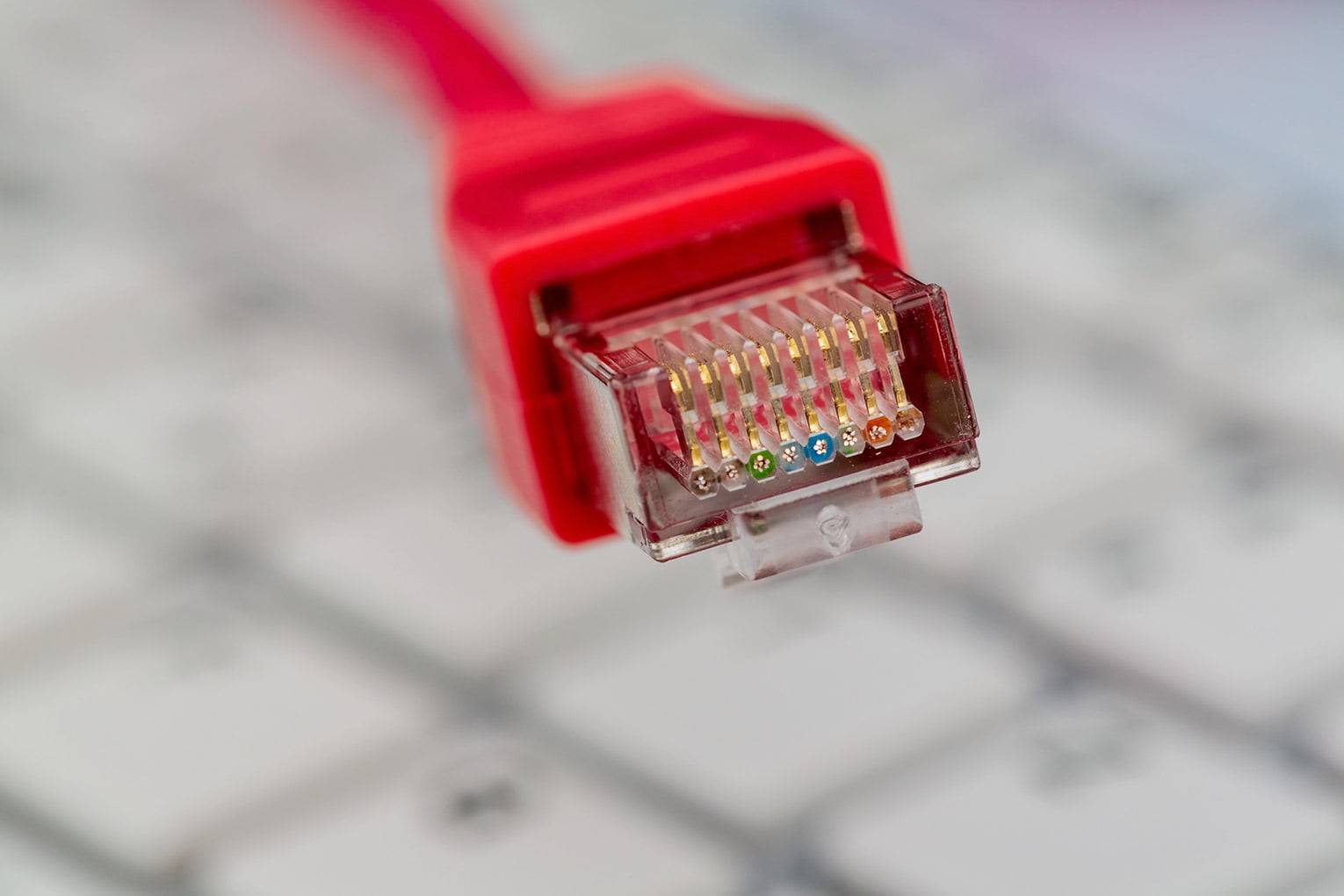
81% consider internet connection as essential and 72% see a mobile phone as a necessity. By comparison, only 29% think it’s essential to provide financial security for dependents if they become critically ill and only 40% think it’s essential to provide security for dependents if they die.
Thus apathy is illustrated in protection take-up rates, as only 32% of people have life insurance, and just 9% have taken out critical illness cover. Instead, 36% admit they would resort to dipping into their savings if they found themselves in a position where they or their partner were unable to work.
Furthermore, despite being acutely aware of their lack of financial provisions, 12% of people would cut back spending on life insurance if they had to make cuts to their outgoings, whilst one in seven (13%) would reduce spending on critical illness cover. In comparison, only 9% of people would cut back on internet access.
Johnny Timpson, protection spokesperson at Scottish Widows, said: “While none of us ever want to think about the worst, our findings show that there are an alarming number of families who could face a significant financial struggle in the event of an unexpected loss of income due to serious illness or death.
“No matter what our personal circumstances, it is vital for all of us to ensure we have an appropriate plan in place to protect our finances, helping avoid the need to dip into our savings, which could present even greater challenges further down the line.”


