

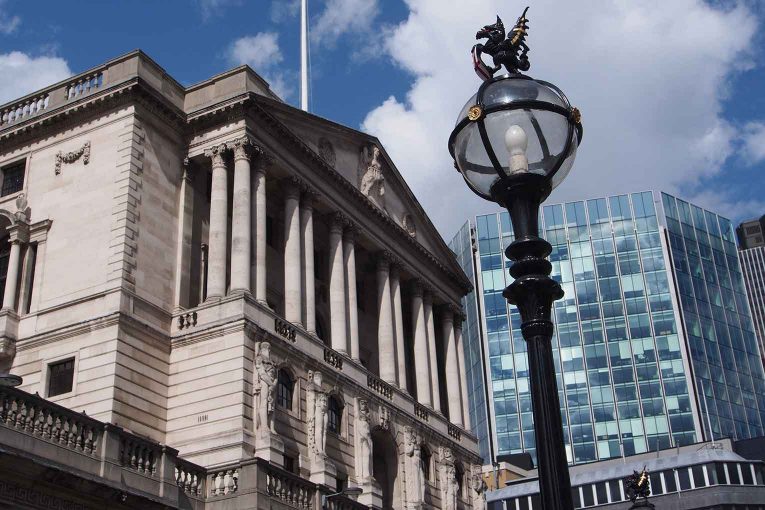
The Bank of England has revealed that net borrowing of mortgage debt by individuals amounted to £1.6 billion in October, the lowest since July 2021.
Mortgage approvals for house purchase fell further to 67,200 in October from 71,900 in September, close to the 12-month average up to February 2020 of 66,700.
Consumers borrowed an additional £0.7 billion in consumer credit, on net. The effective rate on new personal loans increased to 6.27% in October, and is the highest since March 2020 but remains below the January 2020 level.
Heather Owen, financial planning spokesperson at Quilter, said: “It is no surprise to see that net borrowing of mortgage debt by individuals has dropped significantly to just £1.6 billion in October, down from a huge £9.3 billion in September. Just like the weather, the property market has finally started to cool from its lengthy period of intense house price growth as a result of the race for space and the stamp duty holiday.
“Approvals for house purchases, which is a good indicator of future borrowing, similarly fell to 67,200 in October which is the lowest since June 2020. Recent property transaction statistics from HMRC showed there had been an enormous 52% on month drop off in property sales following the withdrawal of the stamp duty holiday at the end of September and today’s figures further support the view that the property market is finally deflating.
“Not only will people now be less inclined to move to a new house due to the stamp duty holiday no longer being in play there is also the spectre of increasing interest rates looming. As inflation continues to run riot a hike in interest rates is heavily touted to be announced at the next Monetary Policy Committee meeting.
“A rate rise would likely push home ownership even further out of reach for first time buyers and put others off particularly in the winter months. To enable first time buyers to get their first foot on the property ladder, they often need to borrow the maximum amount available. An increase in monthly costs would make buying a home even less affordable, particularly on top of often already higher mortgage rates as a result of a required higher loan to value mortgage.
“While so far any predicted drop in house prices looks set to be at a measured pace, the prospect of the new Omicron variant could trigger a more rapid reduction if more restrictions are put in place and the recovering economy is dealt another blow.”
