

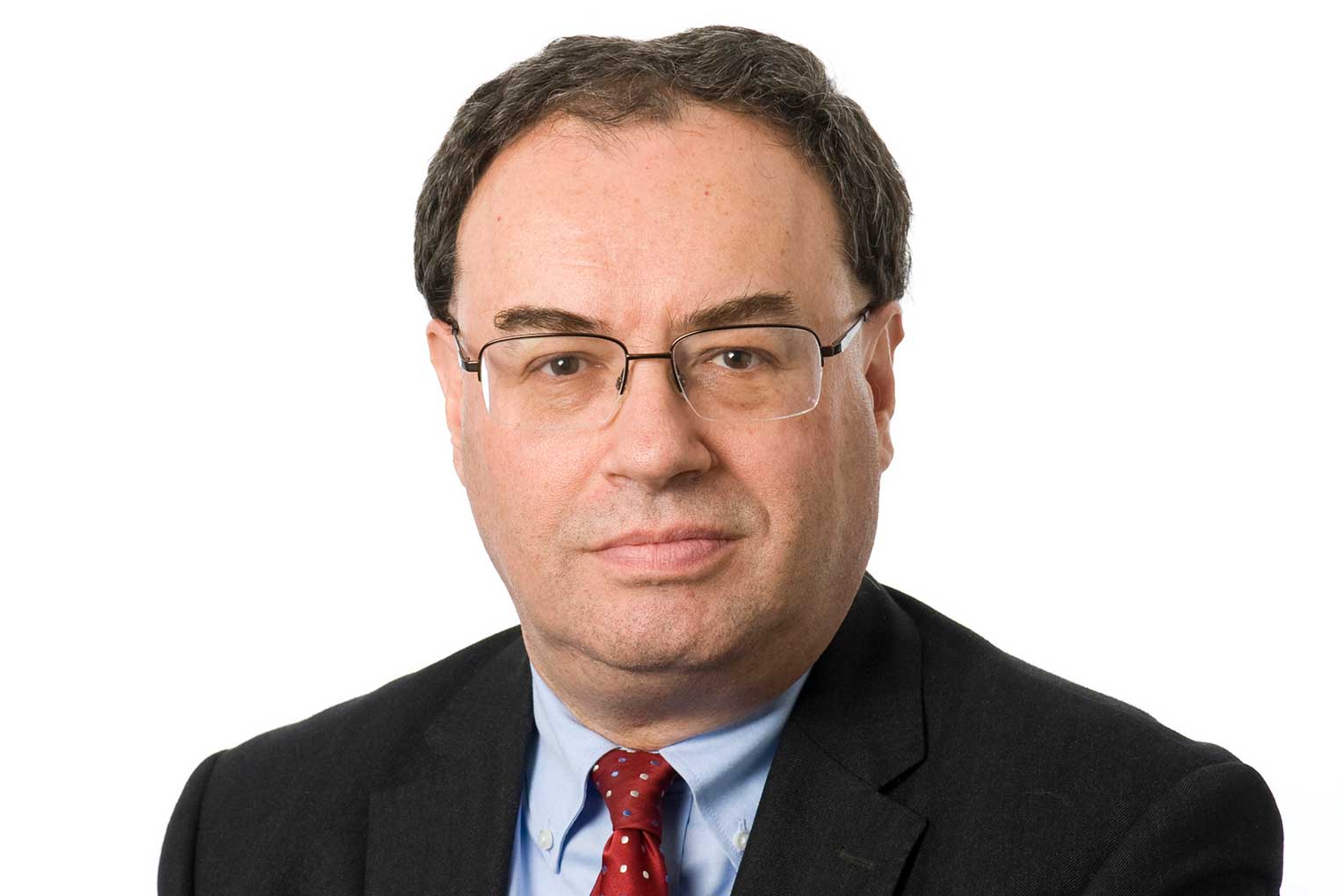
Bank of England governor Andrew Bailey has signalled that policymakers will take a cautious approach to interest rates as global energy markets remain volatile, warning that the UK faces a “very big energy shock”.
Speaking to BBC News during meetings of the International Monetary Fund in Washington, Bailey said rising oil and gas prices would inevitably feed through into inflation, but stressed that the outlook remains highly uncertain.
The comments come ahead of the next Bank of England rate-setting meeting on 30 April, with markets increasingly divided over whether policymakers will hold, cut or even raise borrowing costs in the coming months.
According to the BBC, Bailey said the situation presents “very, very difficult” choices for the central bank, with conflicting economic pressures complicating the policy response. While higher energy costs are expected to push inflation upwards, there are also signs that broader economic activity may weaken.
This dual effect creates a policy dilemma. Central banks would typically raise interest rates to curb inflation, but cut them to support growth during a slowdown. The current environment, shaped in part by the recent Middle East conflict, risks delivering both higher prices and weaker output simultaneously.
Bailey indicated that the Bank is in no hurry to act. “There’s really difficult judgments to be made,” he told the BBC, adding that policymakers would not “rush to judgments” given the scale of uncertainty around how the situation will evolve and how it will affect the UK economy.
The IMF has also urged caution. The organisation warned this week that central banks should avoid reacting too quickly to geopolitical shocks by tightening policy prematurely. Bailey said the Bank of England was taking that “serious advice” into account when considering its next steps.
Prior to the escalation in tensions involving Iran, expectations had been building that UK interest rates would begin to fall during 2026. However, the prospect of sustained energy price rises has led to a reassessment, with some economists now suggesting rates could remain higher for longer.
Despite these concerns, Bailey pointed to some moderating trends within the domestic economy. He noted that the labour market had shown signs of softening before the conflict, while businesses were finding it more difficult to pass on cost increases to consumers — both factors that could limit longer-term inflation pressures.
Even so, he acknowledged that the Bank is still operating with limited evidence. “It’s really too early to form strong judgments,” he said, noting the lack of “meaningful data” on how the energy shock is feeding through to prices, growth and consumer behaviour.
The UK’s reliance on gas as a primary energy source adds to the uncertainty. Bailey warned that the extent of the economic impact will depend heavily on how long the current geopolitical tensions persist.
He concluded that the “real determinant” for policymakers will be the duration of the conflict — a factor that remains beyond the control of central banks, but crucial to the path of inflation and interest rates in the months ahead.
