

79% of brokers have experienced an increase in non-standard insurance enquiries over the past year, according to the findings of the first Prestige Underwriting Non-Standard Survey.
An equal percentage is also expecting continued growth in the non-standard market in the year ahead.
The anticipated growth is primarily attributed to an expected rise in the number of customers entering the non-standard market, as highlighted by 79% of brokers. In contrast, only 13% believe that growth will be driven solely by an increase in premium rates.
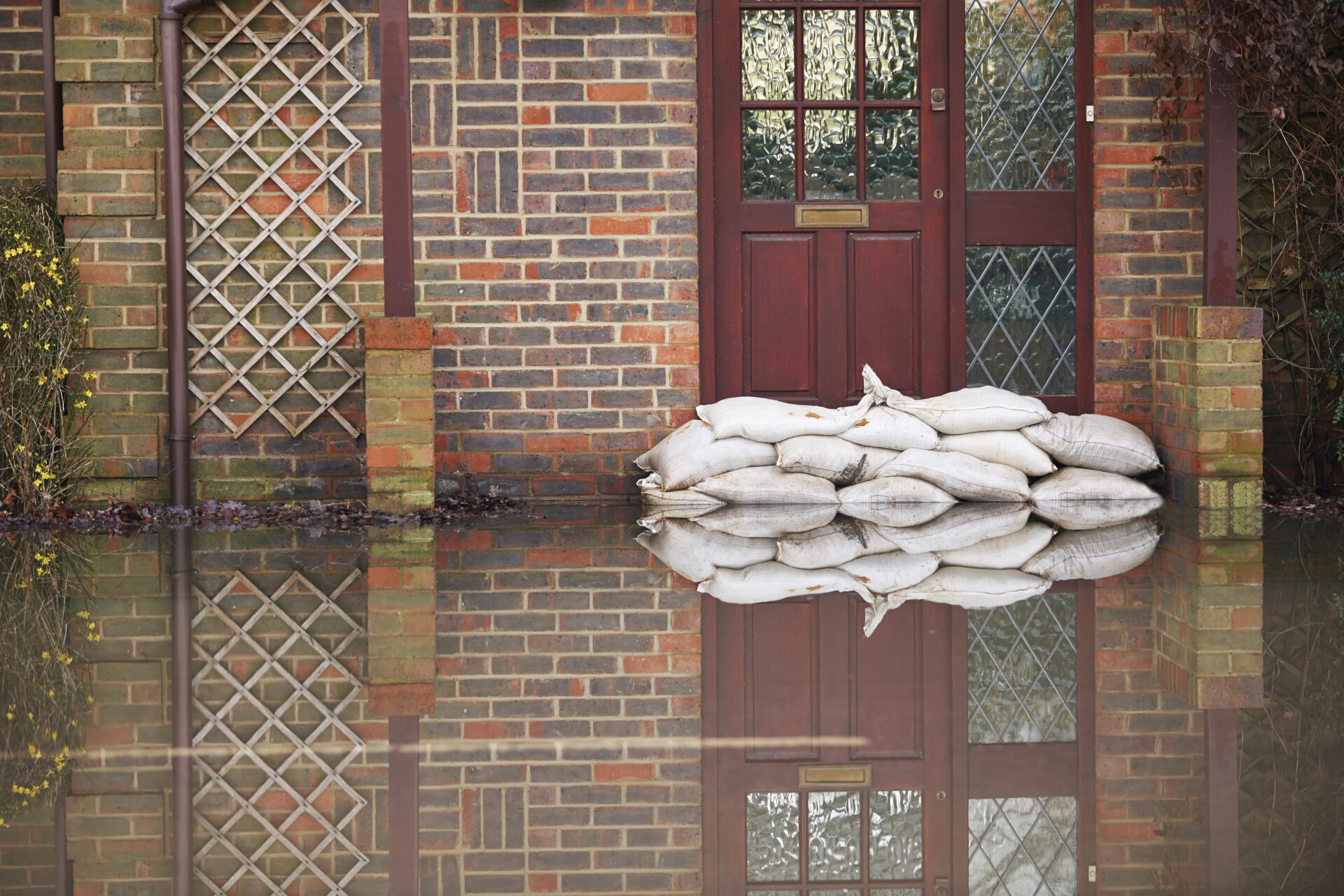
Focusing on specific sectors, 55% of brokers identify the greatest growth potential in insurance to come from unoccupied homes and homes at risk of flooding over the next few years. Additionally, 26% predict significant increase in the market for homes at risk of subsidence.
The non-standard motor insurance sector is also poised for expansion, with 35% of brokers citing electric vehicles and another third (32%) identifying high-performance cars as key areas for future growth.
While they have a lower base, more niche markets are not overlooked by brokers. Brokers also indicated potential growth in modular homes (22%), grey import cars (15%), and thatched homes (12%).
In preparation for this anticipated growth, 46% of brokers in the non-standard commercial market and 42% of non-standard motor brokers are making strategic agency and personnel adjustments.
Meanwhile, brokers have flagged a critical risk due to the impact of rising living costs. A significant 89% of brokers believe that more non-standard customers are, or will become, underinsured as they attempt to economise on insurance expenses.
Alison Williams, managing director at Prestige Underwriting, said: “The enthusiasm shown by brokers for the non-standard market is both welcome and encouraging. All the insights we review, whether they come from economic analysis or the perspectives of brokers on the High Street, point to the same conclusion: there are opportunities and growth ahead. However, we must continue to collaborate to enhance efficiency wherever possible and minimise underinsurance.
“Importantly, we must also make the broader insurance market aware of the forthcoming growth, so that insurers can take into account the necessary changes to their distribution methods, thereby aiding consumers entering the non-standard segment.”


